
Is it true that a Kindle is as environmentally friendly as they tell us, or is it just another case of greenwashing disguised as an indispensable electronic device? In a world where even plastics get recycled (or so we want to believe), the eternal battle between the Kindle and physical books is burning hot.
Today, I’m going to break this topic down with the ironic criticism and direct touch you already know. Hold on tight, because the debate isn’t as black and white as the pages of your favorite novel.
Phase 1: The environmental impact of a Kindle
Production and materials
A Kindle doesn’t grow on a tree. It comes from a production chain that includes plastics, rare metals, and lithium batteries. All of this translates into carbon emissions and an environmental impact that is far from negligible. According to recent studies, producing an e-reader generates between 30 and 40 kilograms of CO2. In case you need some context, that’s the equivalent of driving a small car for about 160 kilometers. Now imagine millions of Kindles sold every year.
Transport and distribution
But that’s not all. Even though Amazon doesn’t deliver your Kindles in horse-drawn carts, transport also adds emissions. Airplanes, ships, and trucks bringing your shiny new device to your doorstep don’t exactly run on solar power.
Use and durability
The Kindle’s strong point is that using it consumes very little energy. You can read for weeks on a single charge, which is a round of applause for technology. But let’s not forget: the battery eventually dies, and recycling electronic devices is, let’s say, complicated. If you don’t recycle your Kindle properly, it could end up polluting some corner of the planet.
Phase 2: The environmental impact of physical books
Production and materials
Physical books have something the Kindle can never match: the smell of ink and paper. But that magic also comes at a cost. The paper industry uses tons of water, chemicals, and energy to produce each book. It’s estimated that an average book generates around 7.5 kilograms of CO2. Does that sound like little? Well, it depends on how many books you buy a year. Whether you buy them or not, they get produced anyway, so the damage is already done.
Deforestation
Although many publishers use recycled paper or paper from sustainable sources, not all of them do. And yes, trees are an essential part of this process. Did you know that each ton of paper requires between 12 and 24 trees? Now imagine how many are cut down every year to print bestsellers, school manuals, and books no one will ever read.
Transport and distribution
There’s an impact here too. Every book that reaches a bookstore or your home has gone through a logistics process that generates carbon emissions. And if you’re one of those who buy international books, the numbers skyrocket.
Phase 3: Use and reuse
Kindle advantage: Endless books, a single purchase
A Kindle can store thousands of books. If you’re a compulsive reader, the environmental impact per book decreases the more you read. Goodbye to the guilt of devouring new release after new release.
Physical books advantage: The magic of the tangible
Physical books have an ecological advantage that doesn’t get mentioned much: their ability to be reused. You can lend them, donate them, or sell them. Plus, if you take care of them, they could last centuries (hello, libraries). A Kindle, on the other hand, has a limited lifespan.
Phase 4: The big dilemma: Who wins?
The answer depends on how you use your Kindle or your physical books. If you buy a Kindle and read a thousand books, you’re significantly reducing your ecological footprint compared to printing a thousand physical books. But if you buy a Kindle only to leave it forgotten in a drawer after two novels, the environmental impact of that purchase will be greater.
On the other hand, if you prefer physical books, being aware of your choices can make a difference. Look for publishers that use recycled paper, buy secondhand books, or consider swapping with friends.
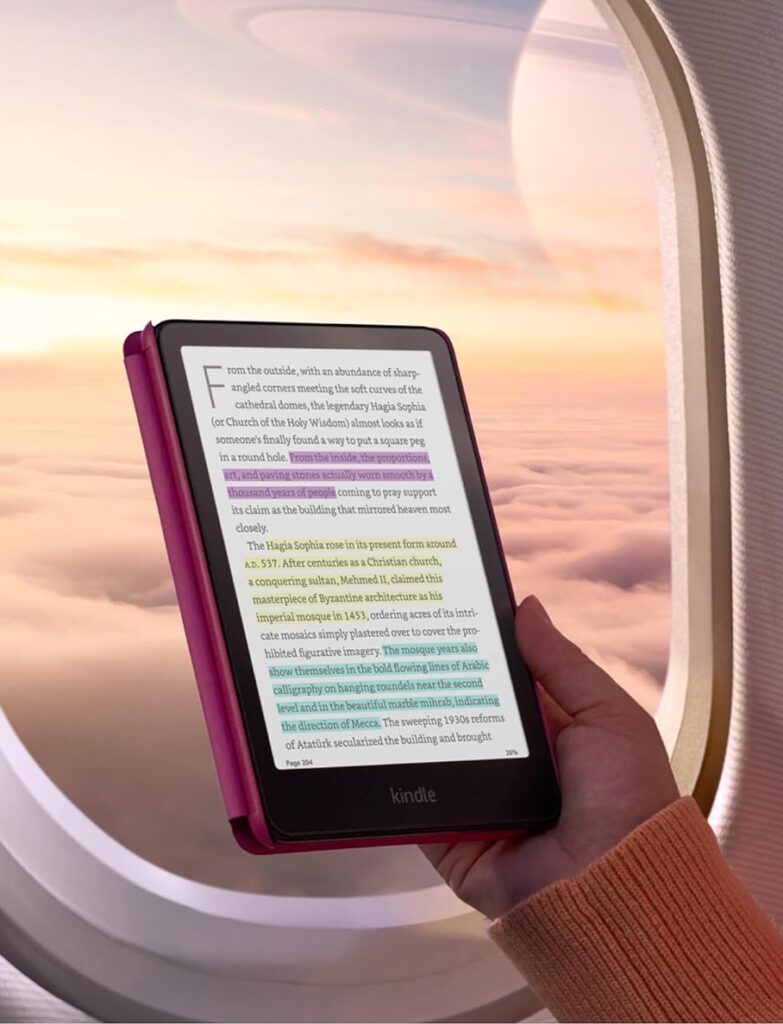
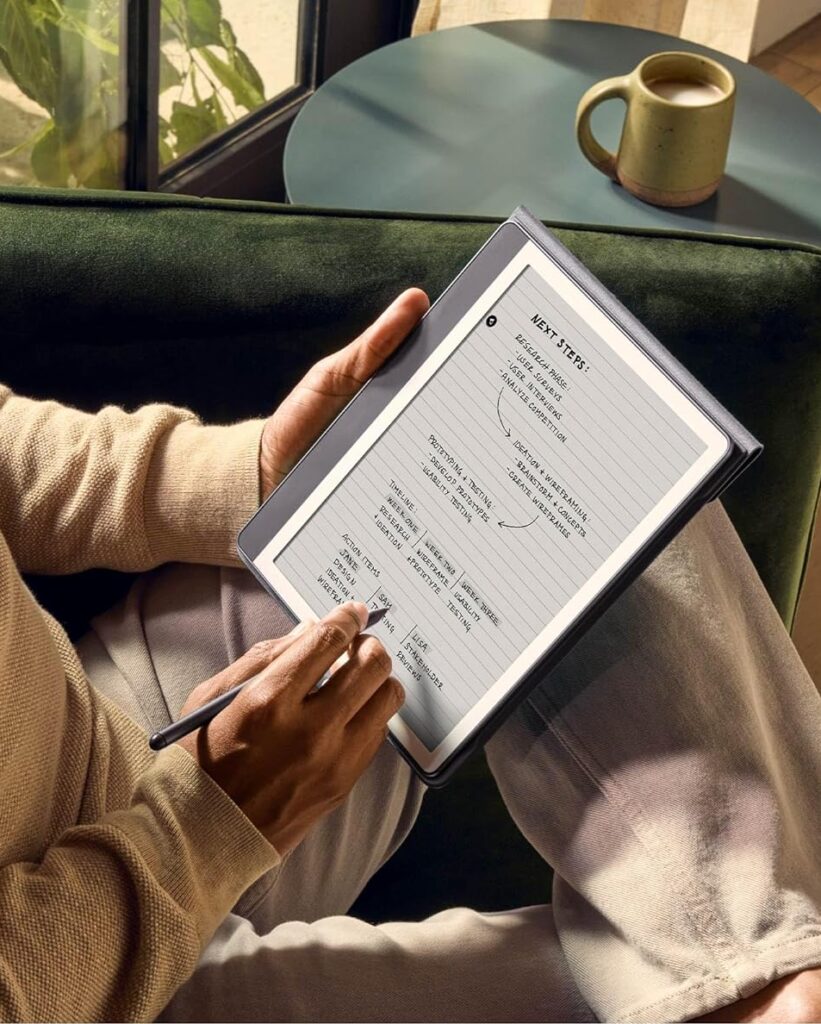
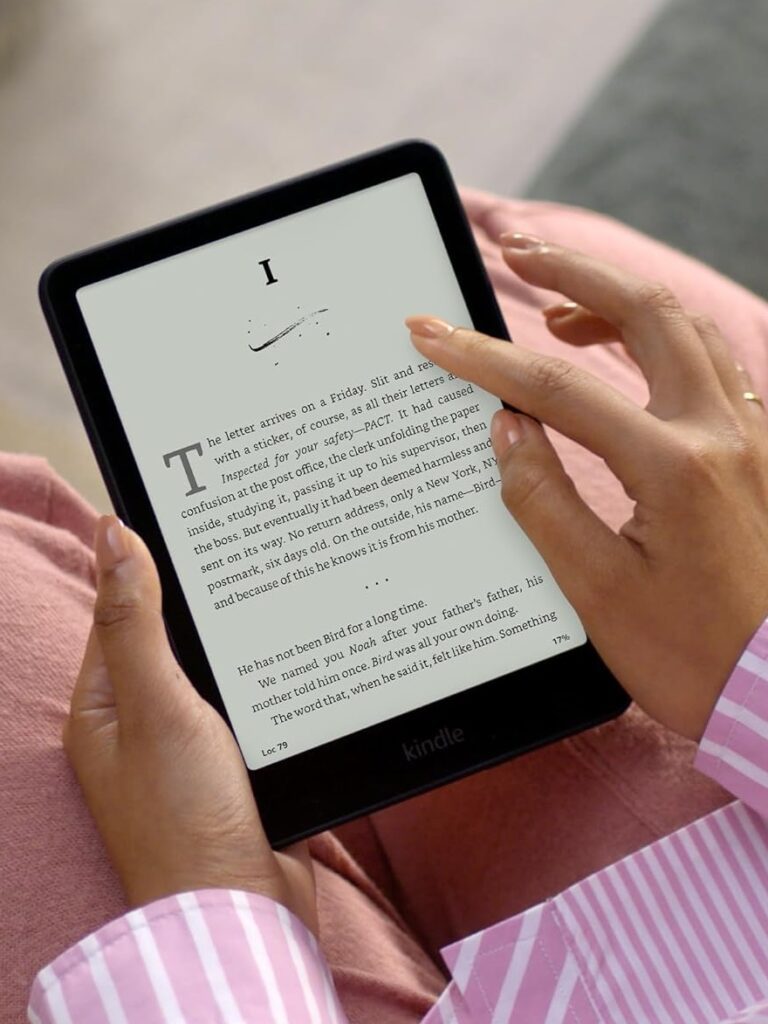
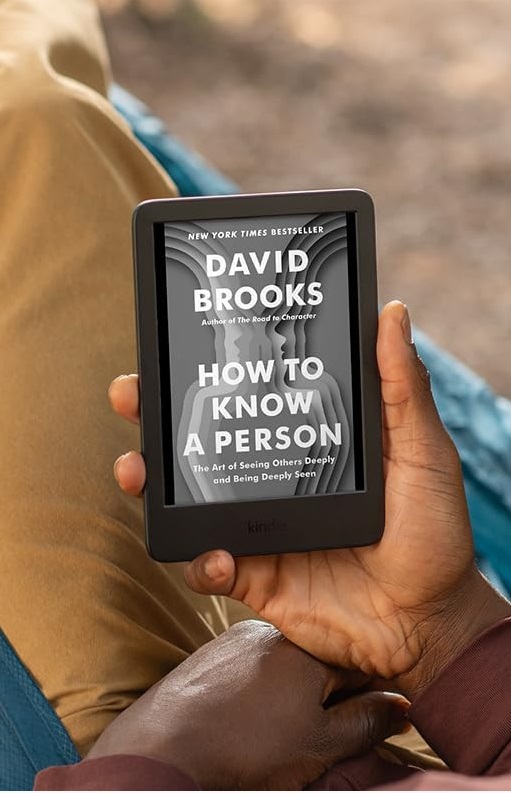
Kindle for reading incredible stories
Conclusion: A debate with room for both
Is the Kindle eco-friendly? Yes, but with nuances. Its initial environmental impact is high, but it decreases in the long run if you use it efficiently. Physical books, for their part, have an undeniable charm and more sustainable options if you take the time to look for them.
What matters isn’t just what you choose, but how you use it. In the end, being a conscious reader is what really matters.
And now it’s your turn: Kindle or physical books? Tell me in the comments and let’s open the debate!