
Ghosts have haunted the pages of literature since time immemorial, evolving from simple spectral apparitions into complex explorations of the human psyche and our fear of the unknown. These spirits do more than terrify us: they also invite us to reflect on death, remorse, lost love and the secrets that haunt us. Here is a tour of the main types of ghosts in literature, with verified examples that will make you question what lies beyond the veil.
1. Gothic Ghosts: The Spirits of Dark Mansions
These ghosts are the classics of the gothic genre: spirits that inhabit castles, mansions and ancient places. They are usually bound to a specific place by a past tragedy, a violent death or an unresolved sin.
Example:
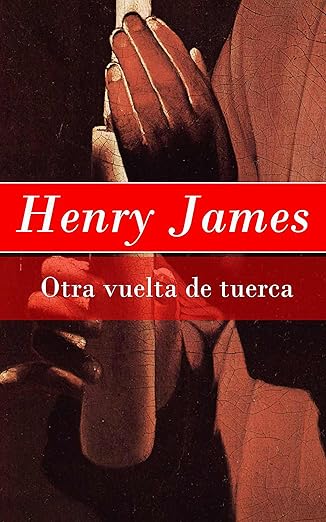
- The Turn of the Screw (Otra Vuelta de Tuerca) by Henry James (1898): Considered one of the most analyzed ghost stories in English literature, it tells the story of a governess who arrives at a remote mansion to care for two orphaned children. Soon, she begins to see spectral apparitions that seem to stalk the children. James’s brilliance lies in the ambiguity: are the ghosts real or the product of the narrator’s disturbed mind? This masterpiece explores the thin line between reality and perception, between the supernatural and the psychological.
2. Haunted House Ghosts: When the Place Is the Villain
In these stories, the house itself becomes a living, malevolent character. The ghosts are far more than visitors: they are an integral part of the physical structure of the place, manipulating reality and drawing the living toward the darkness.
Example:
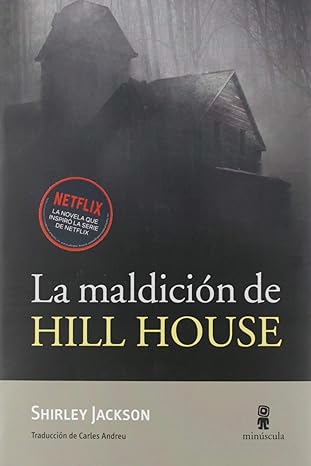
- The Haunting of Hill House (La Maldición de Hill House) by Shirley Jackson (1959): Considered by Stephen King as one of the two best supernatural novels of the 20th century, this work follows a group of paranormal researchers who gather at Hill House, a mansion with a sinister reputation. Dr. Montague seeks scientific evidence of the supernatural, but Hill House has plans of its own, especially for Eleanor, a fragile and lonely woman. Jackson creates an atmosphere of psychological terror where the house itself seems to have consciousness and a will of its own. The novel inspired the popular Netflix series.
3. Vengeful Ghosts: Spirits with Unfinished Business
These ghosts return from beyond with a specific purpose: revenge. They cannot rest in peace until justice is done or a past wrong is righted. They are the most dangerous because they are driven by intense emotions: anger, betrayal, pain.
Examples:
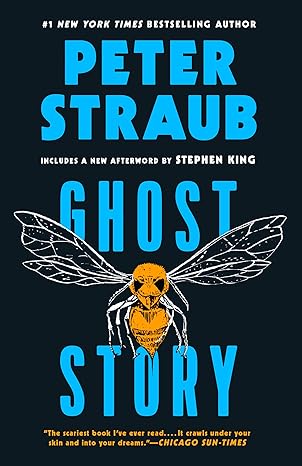
a) Ghost Story (Historia de Fantasmas) by Peter Straub (1979): In the snowy town of Milburn, New York, four elderly men meet regularly to tell each other horror stories as a pastime. But an old mistake they made in their youth returns to haunt them in the form of a vengeful entity that threatens not only their lives, but the whole town. Straub creates a complex narrative that weaves together multiple timelines and explores how the sins of the past never stay buried. The novel is considered a classic of the genre, frequently compared with the best works of Stephen King.
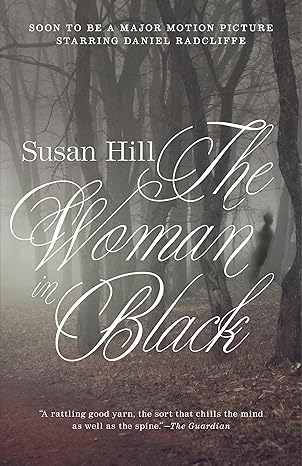
b) The Woman in Black (La Dama de Negro) by Susan Hill (1983): Arthur Kipps, a young London lawyer, is sent to a remote coastal town to attend the funeral of Mrs. Alice Drablow and settle her affairs. The deceased’s house, Eel Marsh House, sits at the end of a causeway, wrapped in fog and mystery. During the funeral, Kipps glimpses a gaunt woman dressed entirely in black. He soon discovers that this apparition is the ghost of a woman who lost her son in tragic circumstances and now seeks revenge by claiming the lives of other children. The stage play based on this book has been running in London’s West End since 1988, one of the longest-running in British theatrical history. It was adapted to film in 2012 with Daniel Radcliffe.
4. Psychological Ghosts: Real or Imagined?
These ghosts inhabit the most unsettling territory of all: the human mind. In these stories, it is never completely clear whether the ghosts are real supernatural manifestations or projections of a disturbed psyche. This ambiguity is precisely what makes them so terrifying.
Example:
- The Turn of the Screw by Henry James: Besides being an example of the gothic ghost, this work is the paradigmatic example of the psychological ghost. James deliberately left the nature of the apparitions ambiguous: does the governess really see ghosts or is she experiencing a mental crisis? This duality has generated more than a century of literary debate.
5. Cursed Hotel Ghosts: Echoes of the Past Trapped
Abandoned or isolated hotels are perfect settings for ghost stories. These places accumulate the energies and tragedies of thousands of guests, creating a concentration of paranormal activity.
Example:
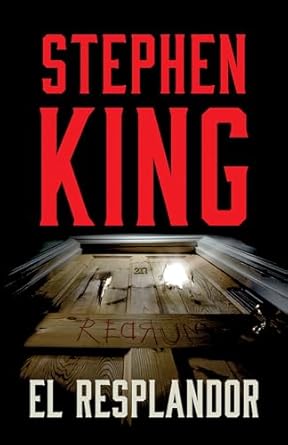
- The Shining (El Resplandor) by Stephen King (1977): Jack Torrance takes the job of winter caretaker at the Overlook Hotel in the Colorado mountains, isolated by snow for months. Accompanied by his wife Wendy and his son Danny (who has psychic abilities called “the shining”), Jack begins to succumb to the hotel’s malevolent influences. The Overlook’s ghosts go beyond mere apparitions: they are violent manifestations of the place’s dark past that manipulate Jack’s weaknesses and threaten his family. King was inspired to write this novel after spending a night at the Stanley Hotel in Colorado, where he had nightmares that gave rise to the story. It is considered one of the best horror novels about haunted houses.
6. Protective Ghosts: Benevolent Spirits
Not all ghosts are evil. Some spirits remain in the world of the living to protect their loved ones, warn of dangers, or simply because love transcends death.
Example:
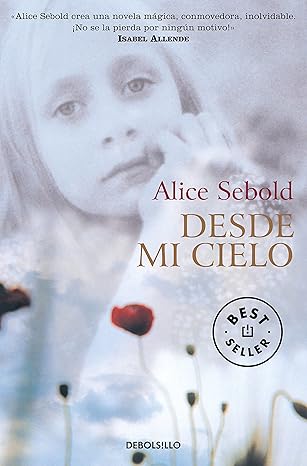
- The Lovely Bones (Desde Mi Cielo) by Alice Sebold (2002): Narrated from heaven by Susie Salmon, a murdered 14-year-old girl, this novel explores how Susie’s spirit watches over her family from her personal heaven as they try to overcome their loss. Although she cannot intervene directly, Susie watches over her loved ones, especially her sister Lindsey and her father Jack. Susie’s ghost does not seek revenge (although she knows her killer), but rather to ensure her family can heal and move on. The novel was a New York Times bestseller and was adapted to film in 2009 by Peter Jackson.
7. Residual Ghosts: Recordings of the Past
These “ghosts” are not conscious entities, but rather energetic recordings of past events that repeat like a broken record. They do not interact with the living; they simply repeat the same actions over and over.
Example:
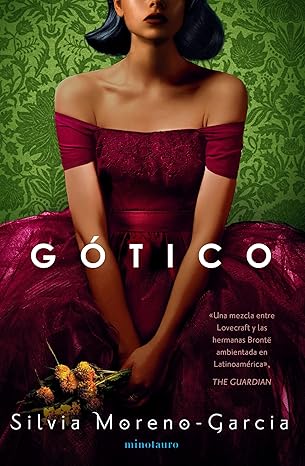
- Mexican Gothic (Gótico Mexicano) by Silvia Moreno-Garcia (2020): Set in 1950s Mexico, Noemí Taboada, an elegant socialite from Mexico City, travels to a remote mountain mansion called High Place after receiving a distressing letter from her cousin Catalina. The house is inhabited not only by traditional ghosts, but also by “echoes” of the past: visions and sounds of traumatic events that repeat over and over as if recorded in the walls of the house. The novel combines elements of traditional gothic with biological horror, since the residues are not only psychological but also physical, caused by a fungus that preserves memories. Winner of the Locus Award and the British Fantasy Award, the novel was a New York Times bestseller.
8. Folkloric Ghosts: Oral and Cultural Tradition
Every culture has its own ghost traditions, from La Llorona in Latin America to the Japanese Yurei. These ghosts are deeply rooted in folklore and cultural beliefs.
Example:
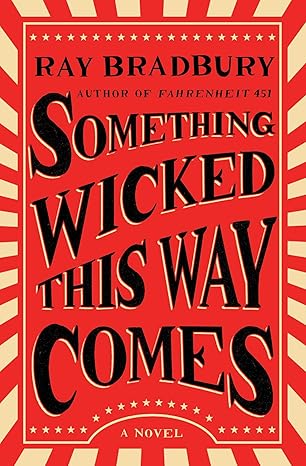
- Something Wicked This Way Comes (Algo Maligno Viene) by Ray Bradbury (1962): Although it is not exclusively a story of folkloric ghosts, this novel incorporates deep elements of American folklore and presents spectral entities that are part of Cooger & Dark’s Pandemonium Shadow Show carnival. Set in Green Town, Illinois, the story follows two thirteen-year-old boys, Will Halloway and Jim Nightshade, who discover that the traveling carnival that arrives at midnight a week before Halloween is not what it seems. Among its attractions are mirrors that steal wishes, a carousel that promises eternal life in exchange for the soul, the Dust Witch who predicts deaths, and Mr. Dark, the Illustrated Man, who has lived for centuries feeding on the misery of others. The novel mixes ghosts, supernatural creatures and folkloric horror to create a unique atmosphere that has influenced authors like Neil Gaiman and Stephen King.
9. Child Ghosts: Lost Innocence
Child ghosts are particularly disturbing because they represent the loss of innocence and a life cut short prematurely. Their presence creates an unsettling contrast between childhood vulnerability and the supernatural.
Example:
- The Woman in Black by Susan Hill: Besides being a vengeful ghost, this story presents one of the most disturbing child ghosts in literature: the Woman in Black’s son, whose tragic death in the marshes is the origin of the curse. Each appearance of the Woman in Black foreshadows the death of a child in the town, turning children into ghostly victims who amplify the horror of the story.
10. Modern Ghosts: The Supernatural in the Present
Modern ghost literature shows that even in an age of technology and science, we still fear the unexplained. These ghosts manifest in modern settings and reflect contemporary anxieties.
Example:
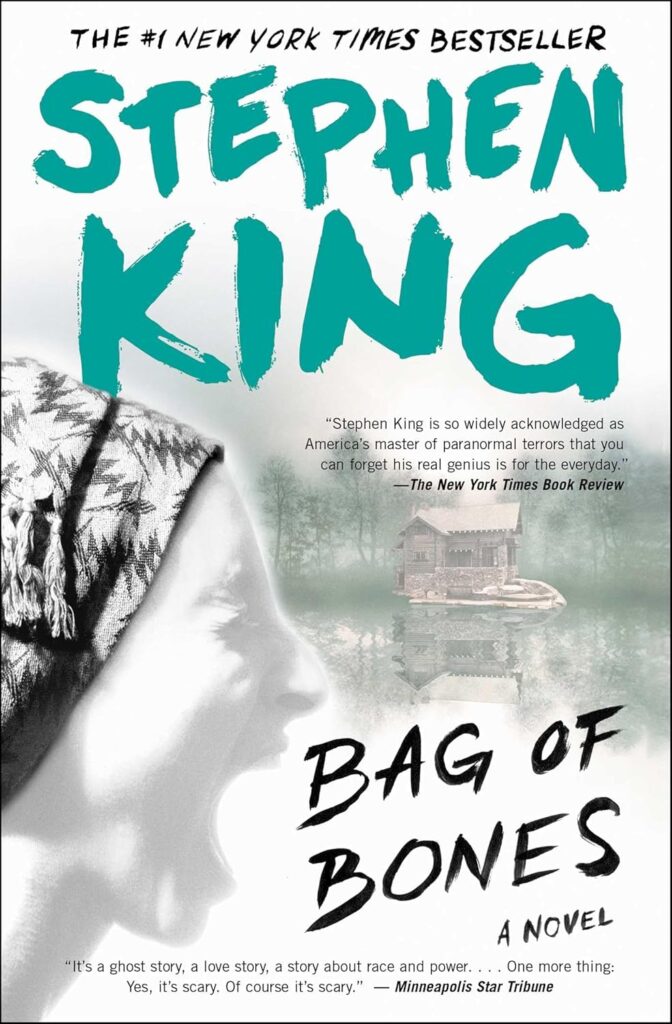
- Bag of Bones (Saco de Huesos) by Stephen King (1998): Mike Noonan, a best-selling author, returns to his cabin in Maine after the sudden death of his wife Jo. While mourning, Mike discovers that his wife was hiding secrets related to the mysterious death of a singer named Sara Tidwell in the 1930s. Mike begins to receive messages and visions from Sara’s ghost, who seeks justice for the crimes of the past. The novel explores how places and spirits preserve the memories of old injustices and how the living can become instruments of redemption. King combines elements of the ghost story with a reflection on grief, guilt and the power of literature. Winner of the Bram Stoker Award for Best Novel, it is considered one of King’s best works.
Conclusion
Literary ghosts offer us more than just scares: they give us a window into the deepest human concerns, from fear of death to the struggle between good and evil, from unresolved grief to the search for justice. Whether you prefer the classic gothic ghost or the contemporary psychological one, there is a spectral story waiting for you on the shelves of a bookstore.
Ghosts in literature do not only haunt us: they help us understand ourselves and our darkest fears. They teach us that the past never truly disappears and that the unknown is still a powerful source of fascination.
Would you dare to spend a night in Hill House? Or in the Overlook Hotel? I’ll read your comments ♥