
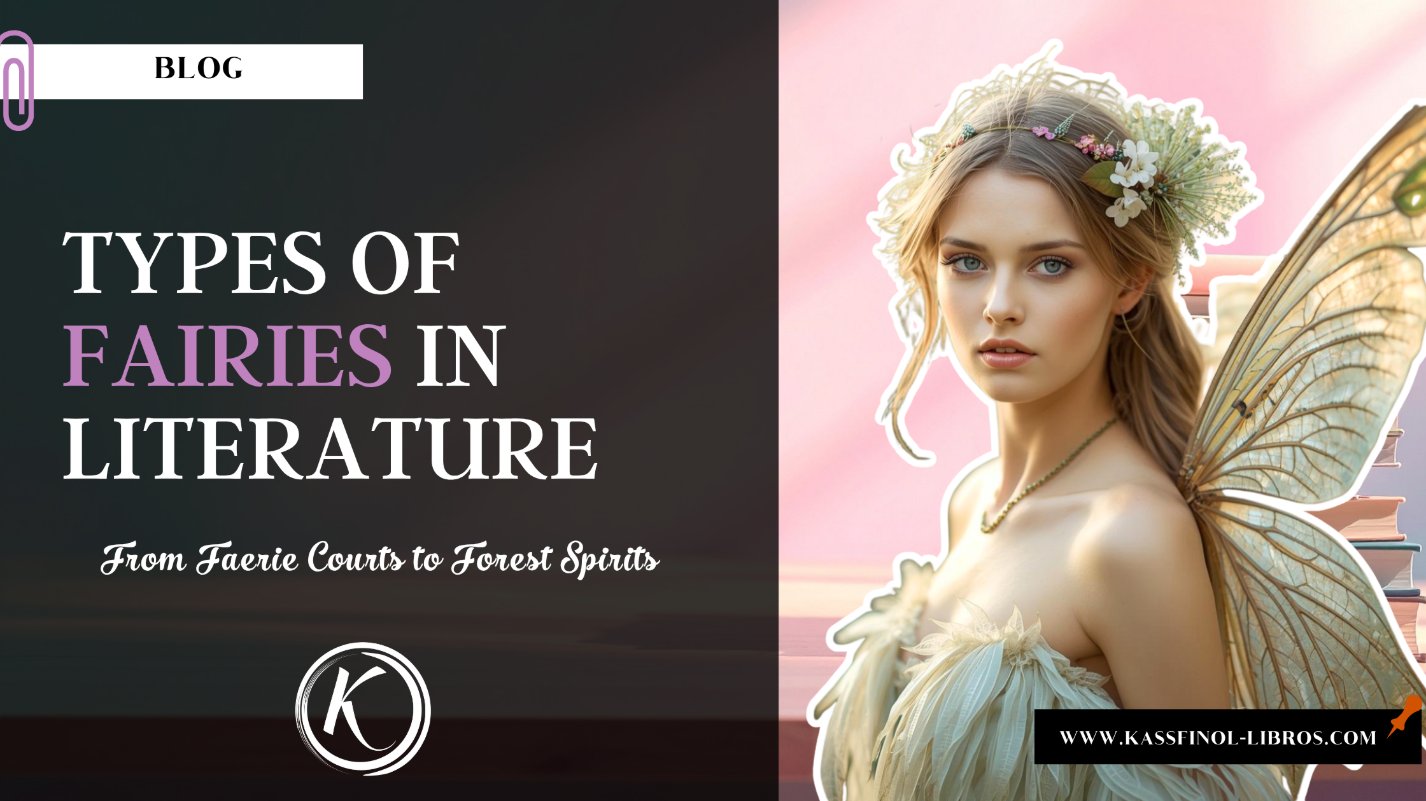
Fairies have enchanted the human imagination for centuries, evolving from the ancestral spirits of Celtic folklore to the complex creatures of modern urban fantasy.
These ethereal beings are far more than simple winged, benevolent creatures; in literature, fairies represent the duality of nature, wild and untamed magic, and the danger that lurks behind beauty. Here is a complete tour of the main types of fairies in literature, with verified examples that will transport you to the fascinating realm of the Fae.
1. Shakespearean Fairies: The Spirits of the Enchanted Forest
Shakespeare’s fairies are mischievous, capricious and powerful. They rule the nighttime forests and delight in manipulating mortal affairs with their spells and magical potions. They are the fairies that defined the modern Western imagination.
Example:
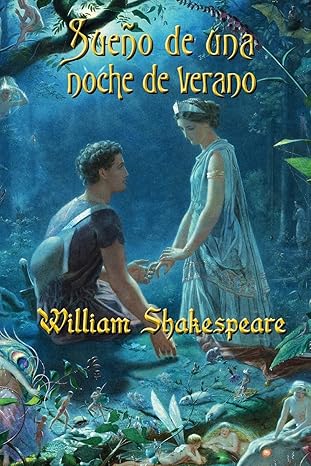
- A Midsummer Night’s Dream by William Shakespeare (c. 1595-1596): This masterpiece is perhaps the most influential representation of fairies in Western literature. Shakespeare presents us with Oberon and Titania, king and queen of the fairies, caught in a marital dispute that affects the mortal world. Puck (also known as Robin Goodfellow), the mischievous spirit who serves Oberon, uses a magic flower to cause romantic chaos among four young Athenians. The play explores how fairies interfere in human affairs, blending the comic with the mystical. Shakespeare’s fairies are far from tiny winged creatures: they are powerful, temperamental and dangerous beings who can transform reality itself. This play established many of the tropes we associate with modern fairies: their connection to nature, their unpredictable character, and their fascination with mortals.
2. Victorian Fairies: Tiny Winged Creatures
The Victorian period transformed fairies into small, delicate and often benevolent creatures, with insect wings and flower dresses. This sentimental image turned them into protagonists of children’s stories.
Example:
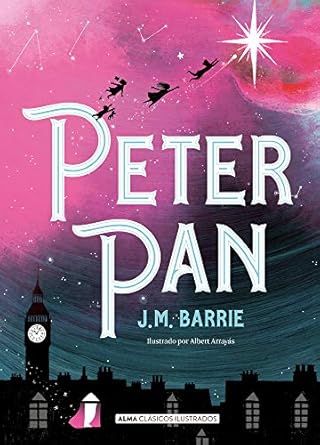
- Peter Pan by J.M. Barrie (1911): Tinker Bell is probably the most famous fairy in 20th-century literature. Unlike Disney’s sugared version, Barrie’s original Tinker Bell is temperamental, jealous and vengeful. She is small, so small that she can only hold one feeling at a time— and her fairy light (fairy dust) lets children fly. Barrie presents a world where “every time a child says ‘I don’t believe in fairies,’ a fairy falls dead somewhere.” Although Tinker Bell is a secondary character, her presence symbolizes the magic of childhood and belief. The novel also introduces the concept of Neverland, a land where fairies, pirates and lost boys coexist in eternal adventures. Peter Pan himself was raised by fairies after falling from his carriage as a baby, establishing the deep connection between childhood, immortality and the faerie.
3. Court Fairies: Seelie and Unseelie
In Celtic folklore, fairies are divided into two main courts: the Seelie Court (blessed) which, although not always benevolent, follows certain codes of honor; and the Unseelie Court (unblessed), malicious and dangerous. This division has become a pillar of modern fantasy.
Example:
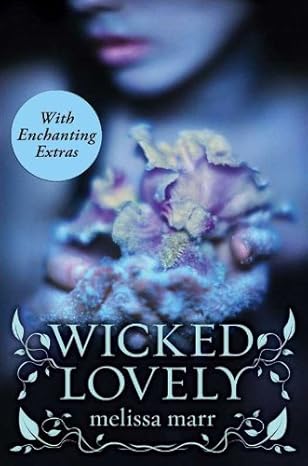
- Wicked Lovely by Melissa Marr (2007): This urban fantasy novel reimagines the Faerie Courts in the 21st-century context. Aislinn Foy can see fairies, an ability she inherits from her grandmother, and follows three golden rules: don’t look at them, don’t talk to them, never attract their attention. But when Keenan, the Summer King, marks her as his possible Summer Queen, Aislinn is dragged into the dangerous world of the Faerie Courts. Marr presents four main courts: Summer, Winter, Darkness and the High Court, each with its own rules, politics and dangers. Marr’s fairies are beautiful but deadly, sexual and violent, far removed from Victorian fairies. The novel was a New York Times bestseller that revolutionized the urban fantasy genre with fairies, influencing a whole generation of authors. The complete series consists of five books that explore the complex relationships between the courts and the mortals trapped in their world.
4. Dark Fairies: The Inhabitants of the Shadows
Forget the benevolent creatures of children’s stories: these fairies are dangerous, seductive and deadly. They represent the dark side of the faerie realm: magic that comes at a price, pacts that must never be made, and beauty that hides danger.
Example:
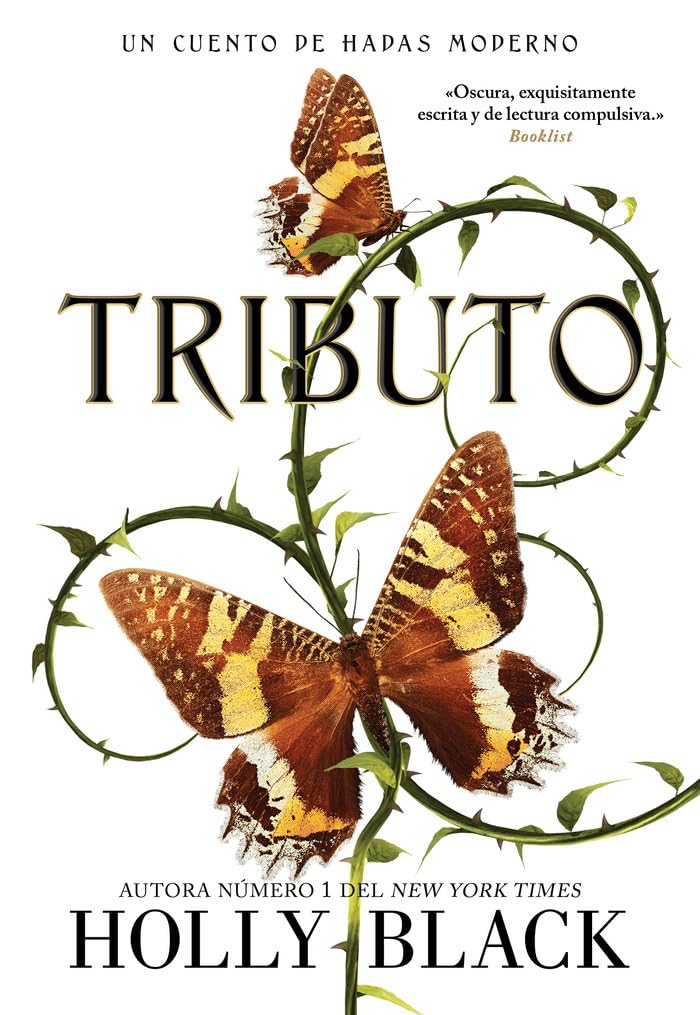
- Tithe: A Modern Faerie Tale by Holly Black (2002): Holly Black pioneered presenting truly dark and dangerous fairies in young adult literature. Kaye Fierch, a sixteen-year-old girl who has spent her life traveling with her mother’s rock band, discovers that she is not human: she is a fairy switched at birth. When she returns to her hometown in New Jersey, Kaye is dragged into the world of the Faerie Courts where she must take part in an ancient and deadly ritual. Black’s fairies are violent, manipulative and sexually explicit. They bleed black blood, make pacts impossible to break, and their realms are full of creatures grotesque and beautiful in equal measure. The novel does not romanticize the faerie world; it presents it as a place where survival requires cunning, sacrifice and often, cruelty. Black set the tone for a whole new generation of dark faerie literature.
5. High Fantasy Fairies: Elves and Immortal Beings
In high fantasy, fairies evolve into elven races: immortal beings of great beauty, wisdom and magical power. They are ancient creatures who have witnessed the passing of the ages.
Example:
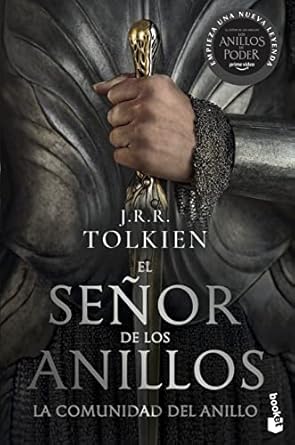
- The Lord of the Rings: The Fellowship of the Ring by J.R.R. Tolkien (1954): Although Tolkien calls them Elves, his creatures share many characteristics with the fairies of traditional folklore. The Elves of Middle-earth are immortal, extraordinarily beautiful, and possess innate magical abilities. Places like Rivendell and Lothlórien are elven realms that exist almost outside of time, where the mortal world seems to fade away. Tolkien’s Elves have witnessed the Ages of the World and possess a wisdom and melancholy that comes from their immortality. Characters like Elrond, Galadriel and Legolas represent different facets of this elven nobility. However, their immortality comes at a price: they are “disappearing” from Middle-earth, sailing toward the Undying Lands, leaving the world behind to mortals. Tolkien created up to 15 elven languages, setting the standard for worldbuilding for all later fantasy.
6. Historical Fairies: Magic in the Past
These are fairies who inhabit historical fantasy novels, where the faerie world intertwines with real historical events. Magic becomes part of alternative history.
Example:
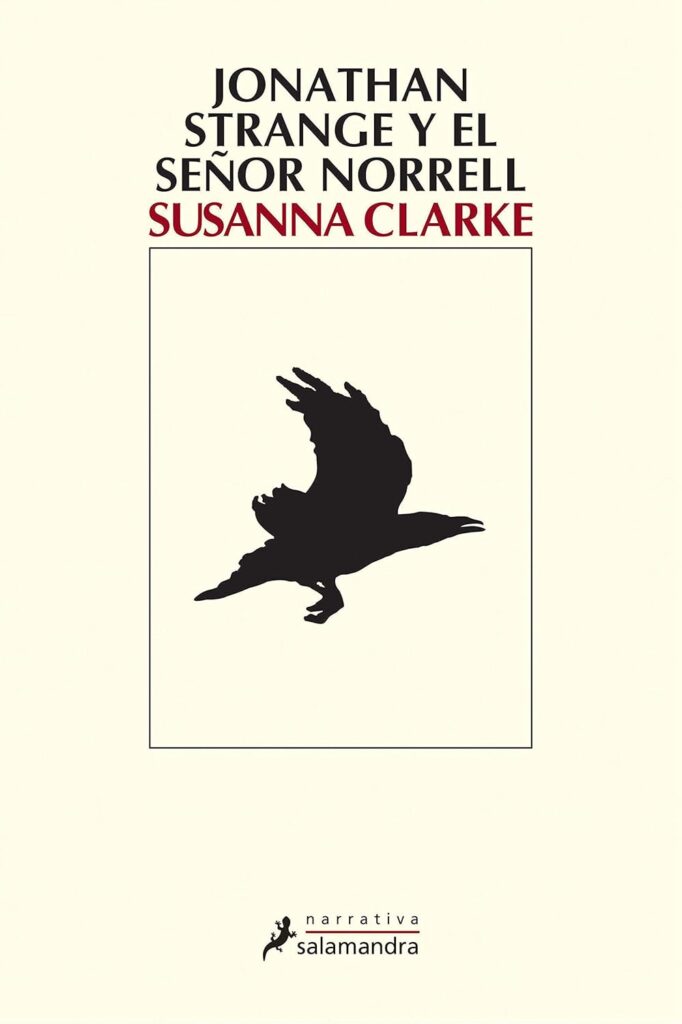
- Jonathan Strange & Mr Norrell by Susanna Clarke (2004): Set during the Napoleonic Wars in an alternative England where magic was once real, this monumental novel explores the return of English magic. The mysterious Raven King (John Uskglass) is a central figure: a human boy kidnapped by the fairies in his childhood, who returned to rule northern England for 300 years, fusing faerie magic with human reason. The fairies in Clarke’s novel are dangerous and alien, especially “the gentleman with the thistle-down hair”, a fairy who kidnaps Emma Pole and Stephen Black to make them dance every night in his nightmare mansion, Lost-hope. The fairies here operate under ancient and incomprehensible rules, make lethal pacts, and do not understand human morality. Clarke writes in the style of Jane Austen but injects true faerie horror, creating one of the most original representations of fairies in contemporary literature.
7. Forest Fairies: Guardians of Nature
Forest fairies are deeply connected to nature. They protect groves, rivers and animals, and are the guardians of the balance of the natural world. They usually live in hollow trees, streams, or among the roots of ancient trees.
Characteristics:
- They appear in many cultures: from Celtic dryads to Japanese kodama.
- They protect nature from those who threaten to destroy it, sometimes with harsh punishments.
- They are associated with the cycle of the seasons and the fertility of the earth.
- “Sleeping Beauty” and “Cinderella” are iconic examples where the forest fairies shape the destiny of the protagonists.
8. Urban Fairies: Magic in the City
In contemporary urban fantasy, fairies have moved to the city. They inhabit nightclubs, dark alleys and apartment buildings, adapting their magic to modern life.
Characteristics:
- They adapt to the modern world while preserving their ancient magic.
- They often form clandestine communities in big cities.
- They interact with mortals in everyday settings: bars, bookstores, universities.
- They have become protagonists of some of the most popular urban fantasy series of recent years.
9. The Fairies of the Modern World: Between Two Worlds
In contemporary young adult literature, fairies have become beings torn between the faerie world and the human world. Often half-fairy protagonists discover their true nature in adolescence.
Example:
Tithe: A Modern Faerie Tale by Holly Black (2002): This novel, previously mentioned for dark fairies, is also the archetype of the modern fairy. Kaye Fierch discovers her true identity as a changeling, a fairy swapped at birth, at sixteen. Her mother, a rock singer who tours the country, takes her back to her grandmother’s home in New Jersey, where Kaye gets involved in the dangerous politics of the faerie courts. The novel explores identity, belonging and coming of age through the faerie lens, with a young woman caught between two worlds. Black’s writing in this novel was praised for its raw, unromanticized view of the faerie world, where magic has consequences and pacts are binding.
10. Romantic Fairies: Love and Desire
In paranormal romance, fairies are beings of irresistible beauty and seduction. Their love with mortals is forbidden, dangerous and passionate.
Example:
- Wicked Lovely by Melissa Marr (2007): In this novel, the romance between Aislinn and Keenan, the Summer King, is central to the plot. Keenan must choose a Summer Queen to free his court from the curse of eternal winter, and Aislinn’s faerie sight makes her a candidate. The romance is complicated by politics, prophecy and danger. The fairies in this series are seductive and passionate, but their love is dangerous: it can trap a mortal forever in the faerie realm or even kill them. Marr presents fairies whose desire is as deadly as it is beautiful, and love between mortals and fairies always comes at a price.
Conclusion
Fairies in literature are much more than winged creatures: they are symbols of the wild, of the untamed, and of the beauty that can be both wonderful and terrifying. From Shakespeare’s playful spirits to the dark courts of urban fantasy, fairies continue to fascinate readers of all ages.
What makes them so enduring is their duality: they can be benefactors or enemies, protectors or destroyers, and their magic always comes with a price. Literature teaches us that fairies are not to be taken lightly, but to be respected and feared.
Now that you know the main types of fairies in literature, you are ready to navigate their realms with greater wisdom. But remember the golden rules of the Faerie world:
- Never accept food or drink from a fairy
- Never say thank you to a fairy
- Never make a bargain with a fairy
- Never tell a fairy your real name
- Always follow their rules, even if they seem absurd
Which type of fairy is your favorite? Are you more a fan of Shakespearean fairies or dark fairies? Tell us in the comments which book made you fall in love with these magical beings. 🧚♀️✨