
Demons have been a constant in literature, fascinating and terrifying readers in equal measure. They represent our deepest fears, our most dangerous temptations and, at times, our most complex moral dilemmas.
From purely malevolent beings to charismatic antiheroes, the variety of demons we find in literature is as vast as the worlds they inhabit. Below, we explore the main types of demons in literature, with examples of books that have brought these creatures to life.
1. Traditional Demons: Evil in Its Purest Form
These demons are embodiments of absolute evil. They represent chaos, destruction and corruption without nuance. Their main purpose is to sow terror and lead humans to perdition.
Example:
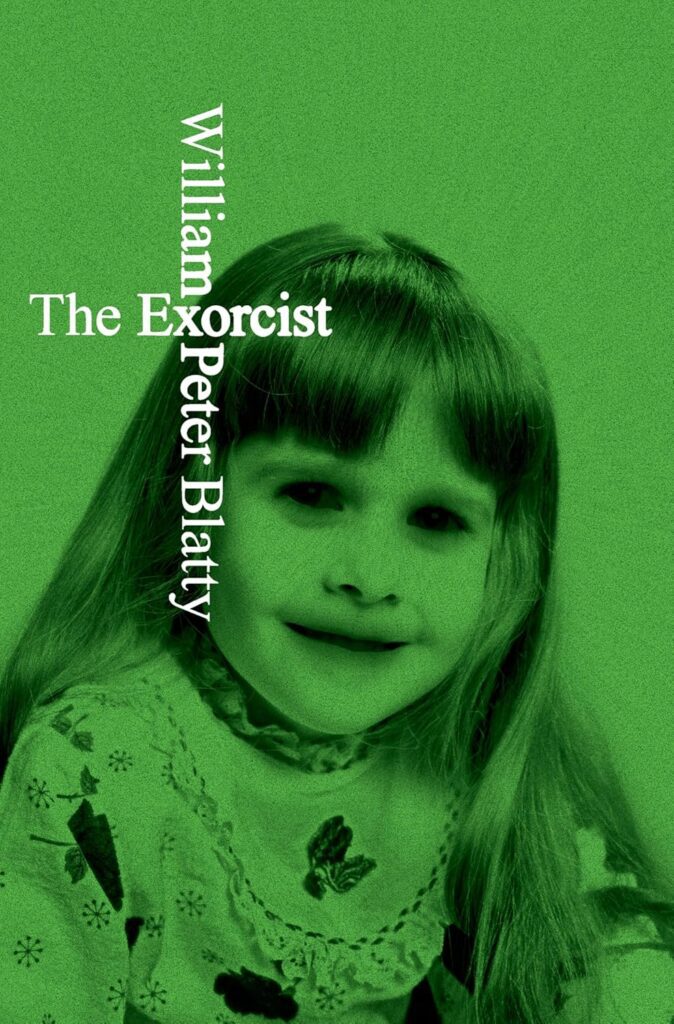
- The Exorcist by William Peter Blatty: Pazuzu, the demon who possesses Regan MacNeil, is a classic example of a malevolent being seeking to destroy faith and humanity. Based on the Assyrian demon of the winds, Pazuzu represents pure terror and the most frightening demonic possession in modern literature.
2. Tempting Demons: Masters of Persuasion
These demons don’t need brute force; their main weapon is manipulation. They seduce, deceive and offer irresistible temptations, often in exchange for a high price.
Example:

- Doctor Faustus by Christopher Marlowe: Mephistopheles is the archetype of the tempting demon, offering knowledge and power to Faustus in exchange for his soul. This Faustian bargain has become a cultural symbol of the dangers of unchecked ambition.
3. Warrior Demons: Soldiers of Hell
These demons are lethal fighters, serving infernal armies or acting as independent mercenaries. They are violent, relentless and often lead epic battles.
Example:
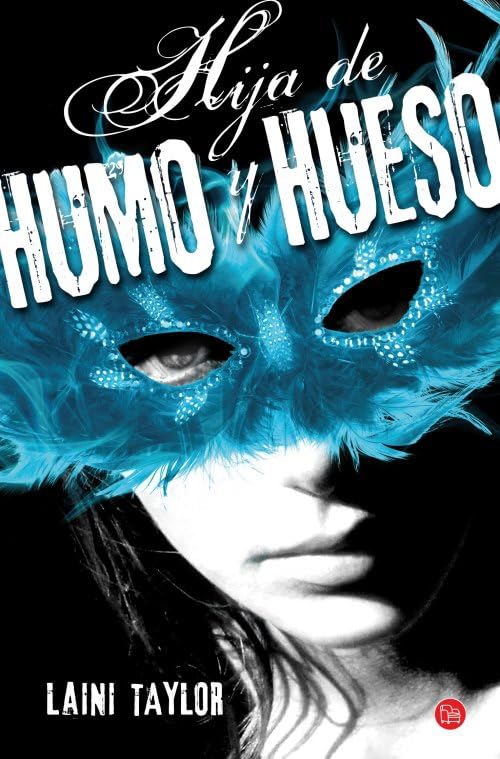
- Daughter of Smoke and Bone by Laini Taylor: The chimaera, though not demons in the traditional sense, represent forces opposed to the angels in an ancient war full of action, violence and complex moral conflicts.
4. Tragic Demons: Victims of Their Own Nature
Not all demons in literature are purely evil. Some are tragic figures, trapped in their demonic nature or in an eternal struggle between good and evil.
Example:
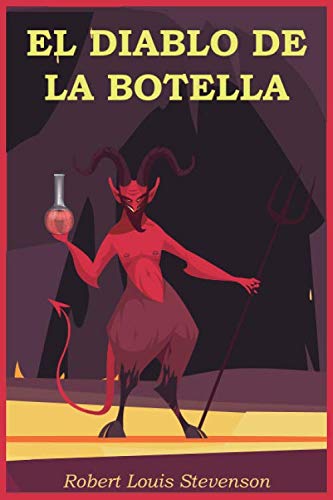
- The Bottle Imp by Robert Louis Stevenson: This short story presents a demon trapped in a bottle who grants wishes but dooms the final owner. The demon is both a symbol of human desire and a source of inevitable tragedy for those who possess it.
5. Guardian Demons: Unexpected Allies
Contradictory as it may sound, some demons act as protectors or allies, whether out of obligation, self-interest or a particular bond with humans.
Example:
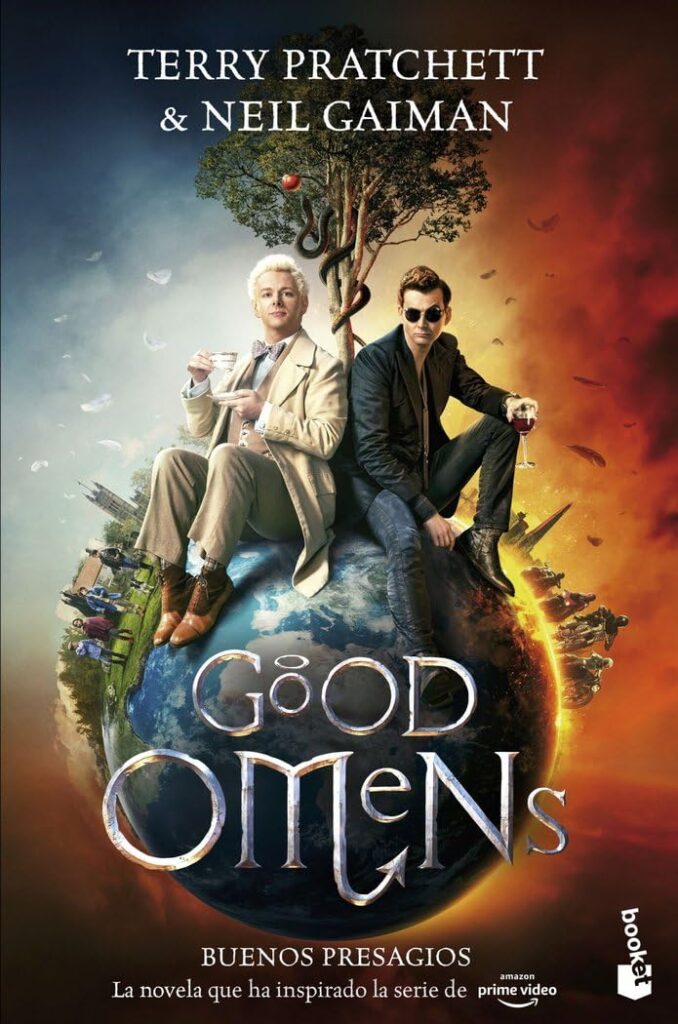
- Good Omens by Neil Gaiman and Terry Pratchett: Crowley, a demon who should be working for evil, becomes an ambiguous and charming ally in his attempt to prevent the Apocalypse alongside the angel Aziraphale. His love for humanity outweighs his loyalty to hell.
6. Hierarchical Demons: Kings and Princes of Hell
These demons hold high rank in the infernal domains. They are authoritarian figures, ruling with power and cunning over legions of demonic creatures.
Example:
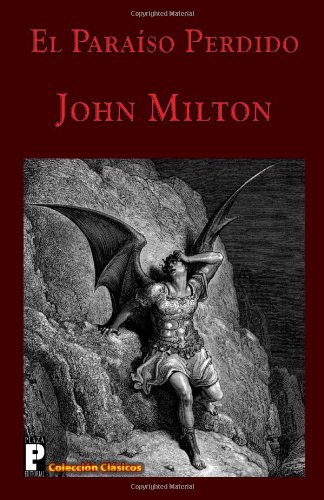
- Paradise Lost by John Milton: Satan (Lucifer) is the charismatic leader of the fallen angels, portrayed as a tragic and powerful figure in his rebellion against heaven. Milton presents him with so much complexity that some critics consider him the true protagonist of the poem.
7. Deceiving Demons: The Shapeshifters
These demons have the ability to transform and take different forms to manipulate or frighten humans. Their chameleon-like nature makes them difficult enemies to identify and fight.
Example:
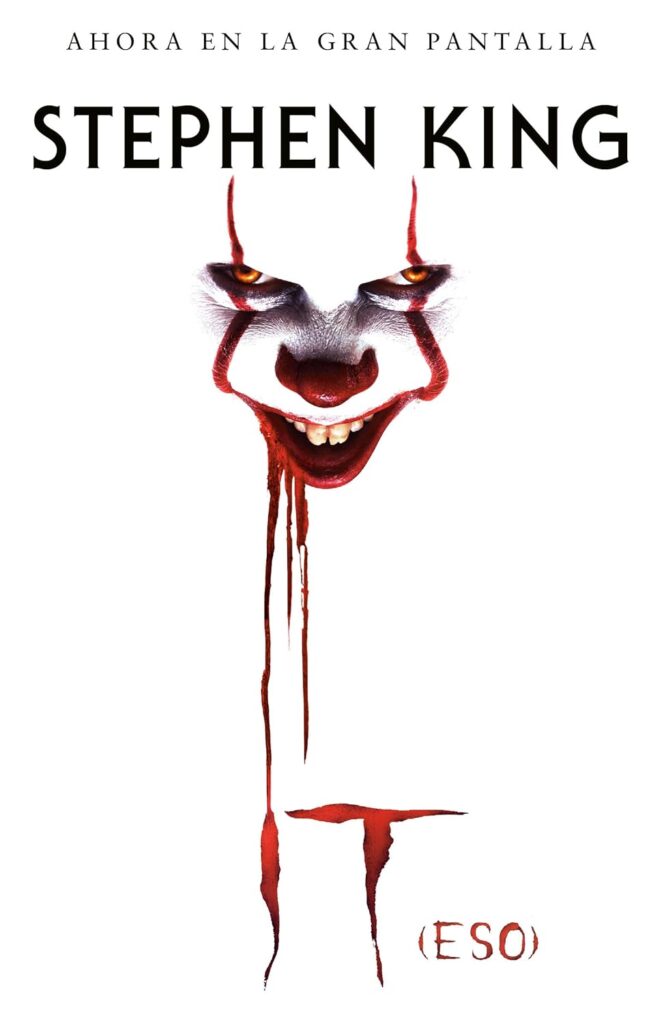
- It by Stephen King: Although technically not a traditional demon, Pennywise is an ancient malevolent entity that takes the form of the clown and uses its victims’ worst nightmares to feed. Its ability to change shape makes it an impossible threat to predict.
8. Contract Demons: Those Who Seal Pacts
These demons make deals with humans, granting them power, wealth or knowledge in exchange for something, usually the soul or eternal obedience.
Example:
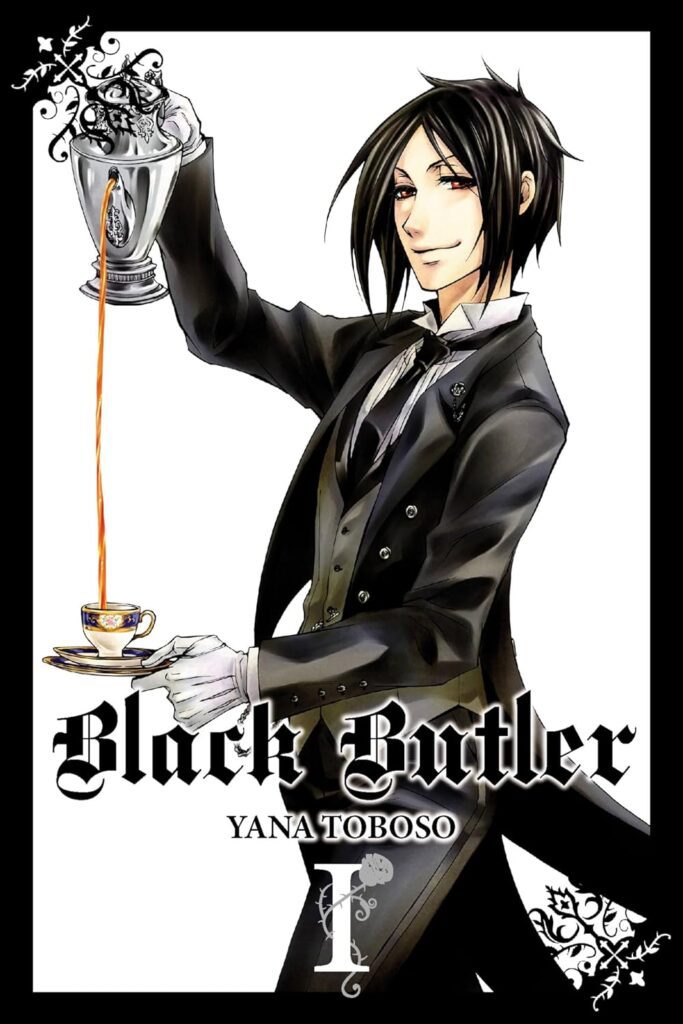
- Black Butler (Kuroshitsuji) by Yana Toboso: Sebastian Michaelis, a demon in the form of the perfect butler, makes a pact with Ciel Phantomhive to serve him until his revenge is fulfilled, at which point he will be able to devour his soul. The series explores the dynamic between master and demonic servant.
9. Elemental Demons: Lords of the Elements
These demons are connected to the natural elements, such as fire, water, earth or air. Their power is tied to the destructive or creative force of these elements.
Example:
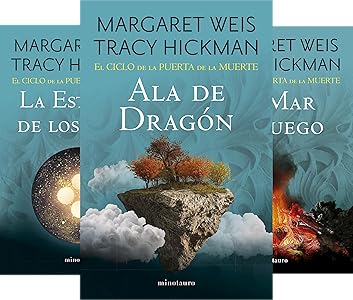
- The Death Gate Cycle by Margaret Weis and Tracy Hickman: This epic fantasy saga includes demonic creatures linked to primordial elements, manipulating nature itself for their own ends. The “patryn” and “sartan” work with elemental magic in a divided universe.
10. Philosophical Demons: Metaphors of the Human Soul
These demons are not just supernatural beings, but symbolic representations of the fears, desires and inner struggles of the human being.
Example:
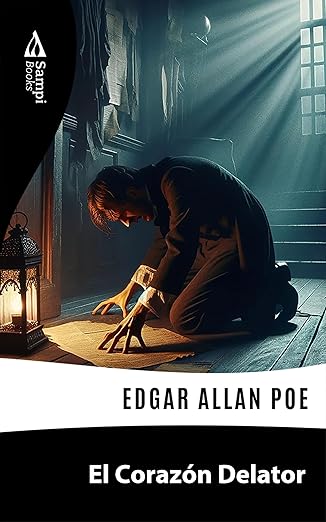
- The Tell-Tale Heart by Edgar Allan Poe: Although there is no literal demon, the weight of guilt and paranoia in the narrator acts as an inner demon that consumes him until his confession. Poe explores how our own psychological demons can be more terrifying than any supernatural entity.
11. Cultural Demons: Roots in Folklore
These demons are inspired by specific myths and traditions, representing evil from the perspective of different cultures.
Example:
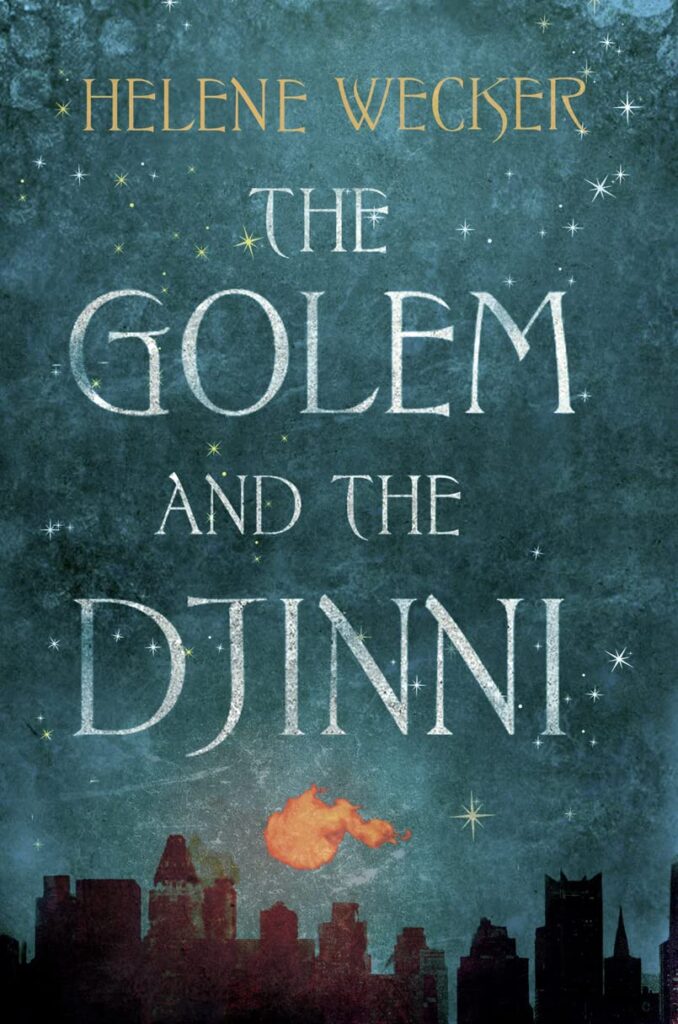
- The Golem and the Jinni by Helene Wecker: Although more related to Middle Eastern and Jewish folklore, the jinni Ahmad has characteristics that in many traditions are associated with demonic beings: he is made of fire, impulsive and dangerous. The novel explores the struggle between freedom and duty from different cultural perspectives.
12. Romantic Demons: Forbidden Loves
In paranormal romance stories, these demons become tormented lovers. Their love often defies the laws of heaven and hell, creating passionate and tragic conflicts.
Example:
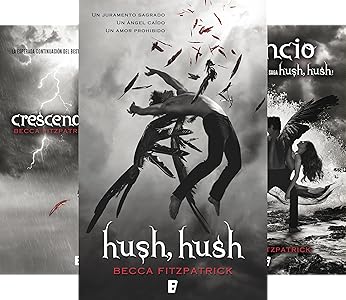
- Hush, Hush by Becca Fitzpatrick: Patch Cipriano is a fallen angel with demonic characteristics who falls in love with Nora Grey, a human student. Their relationship is plagued by dangers, dark secrets and the constant threat of celestial and infernal forces.
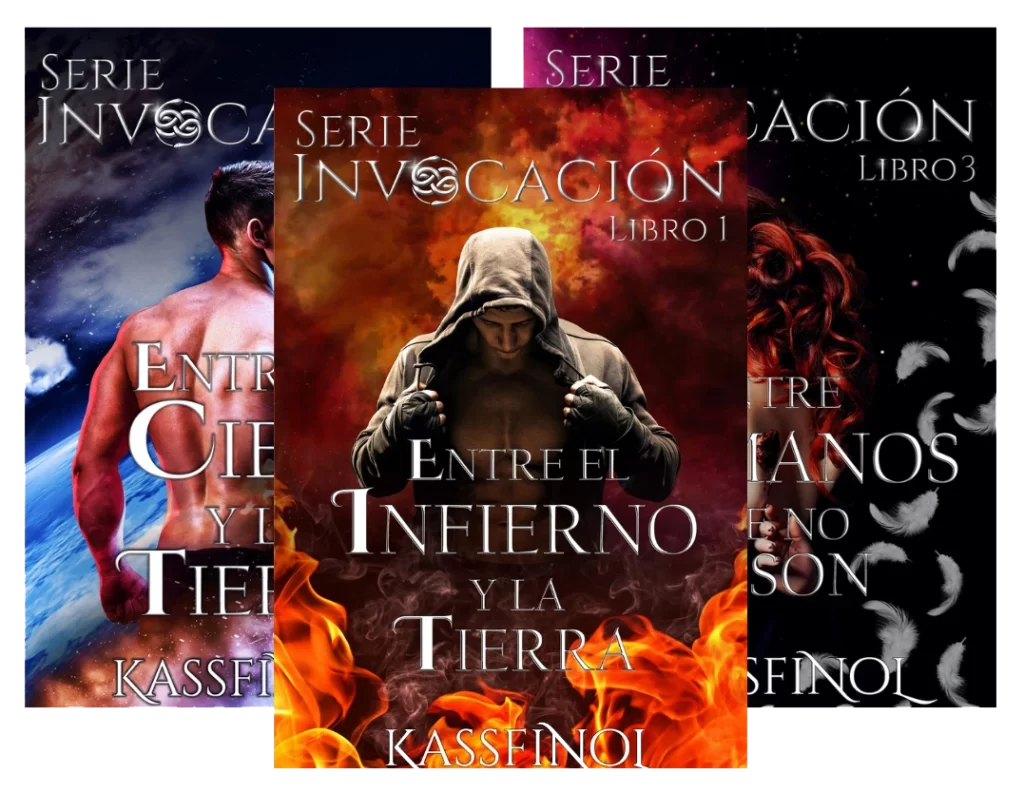
- Between Hell and Earth: Where the male protagonist is taken out of hell to live a life with a human woman, he is completely dependent on her. The relationship is dangerous and intense, with many secrets and hand-to-hand fights.
Conclusion: Demons for Every Taste
Literature has given us demons ranging from terrifying villains to tragic and romantic characters. Their richness and complexity make them essential figures for exploring the extremes of power, temptation and the human being’s inner struggle.
Which type of demon intrigues you the most? 🖤 Leave your comments and share your literary favorite.