
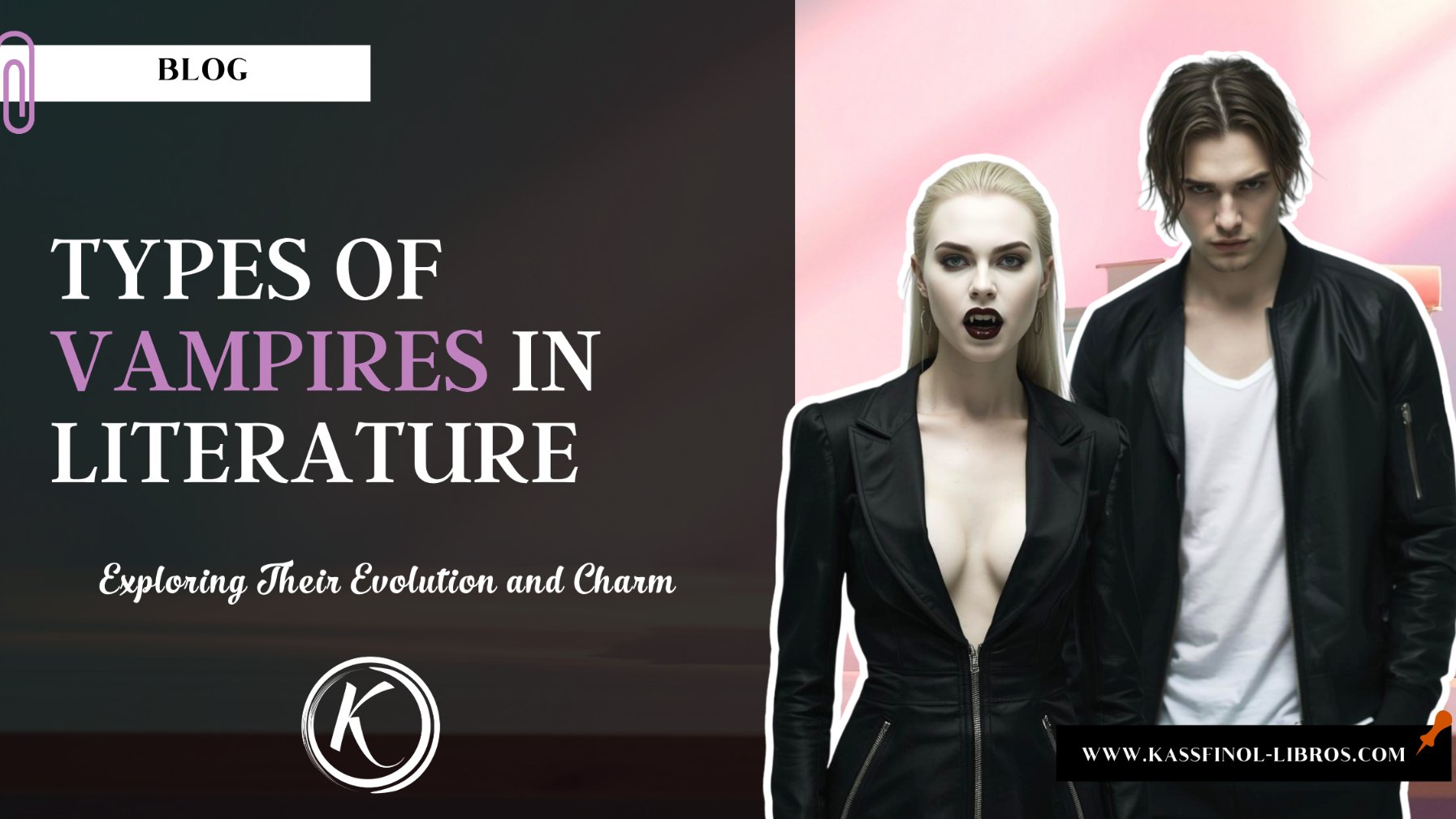
From the icy corridors of a gothic castle to the darkest nightclubs in the city, vampires have evolved to fit into every corner of literature. They are not just creatures of the night with fangs and a thirst for blood; they are reflections of our fears, desires and obsessions. In the world of romance novels, these immortal beings have taken on fascinating forms, from impossible lovers to savage predators. Here is a detailed breakdown of the types of vampires that have left their mark on the pages of literature, with real examples so you can discover them.
1. Traditional Vampires: Children of the Myth
Classic vampires are the guardians of tradition: noble, dark and completely deadly to anyone who crosses their path. They represent the immutable and the timeless, carrying the weight of the legends.
Example:

- Dracula by Bram Stoker (1897): This is not just the most famous vampire of all time; it is the literary origin of the myth as we know it. Count Dracula is powerful, manipulative and a master of gothic horror. Published in epistolary format (letters and diaries), this novel set the rules of the vampire genre that we still follow today.
2. Seductive Vampires: Dark Love
The archetype of the romantic vampire par excellence. These characters use their supernatural appeal to attract their victims or lovers, becoming objects of desire as much as predators.
Example:

- Interview with the Vampire by Anne Rice (1976): Lestat de Lioncourt is the definition of immortal seduction. With his dangerous charisma and his desire for company, Lestat transcends the role of villain and becomes an unforgettable antihero. Rice transformed the vampire genre with this novel that tells the story from the perspective of the vampire Louis de Pointe du Lac.
3. Tormented Vampires: Condemned Souls
These vampires are tormented by their immortality or by guilt over their past actions. Their personal tragedy is often the engine of the romantic narrative.
Example:

- The Vampire Chronicles by Anne Rice (series): Louis de Pointe du Lac is a vampire torn between his need for blood and his lost humanity, which creates a deep connection with the reader. Throughout the series, Rice explores vampire existence with philosophical and emotional depth.
4. Modern Vampires: A New Generation
With the rise of young adult and contemporary literature, vampires have adapted their style to the new generations. They are more accessible, less monstrous and, often, they shine in the sun… literally.
Example:

- Twilight by Stephenie Meyer (2005): Edward Cullen redefines the vampire as a romantic protector, ideal for a teenage audience. The vampires in this saga shine in the sunlight and refrain from drinking human blood. Although polarizing, its influence on popular culture is undeniable.
5. Warrior Vampires: Blood and Steel
In action and paranormal romance stories, warrior vampires are protectors of their species or of those they love. They are fearless, disciplined and ruthlessly effective in combat.
Example:

- Black Dagger Brotherhood by J.R. Ward (2005): Each book in this saga follows a different warrior vampire from an elite of six brothers who defend their race against the lessers (soulless killers). The series mixes fast-paced action with passionate romance. The first book, Dark Lover, introduces Wrath, the last pureblood vampire and leader of the Brotherhood.
6. Clan Vampires: Family Above All
These vampires are not alone. They belong to clans with rules, hierarchies and internal disputes that add a layer of intrigue to the story.
Example:

- Prince Lestat by Anne Rice (2014): This installment explores the complex relationships between vampire clans, showing that even immortals have family conflicts. Rice returns to Lestat after a decade to explore the politics and hierarchy of the vampire world.
7. Philosophical Vampires: The Eternal Thinkers
What would you do with centuries to reflect on life? These vampires are deeply introspective, obsessed with the meaning of their existence.
Example:

- The Historian by Elizabeth Kostova (2005): This novel mixes history, literature and vampirism in a quest that reflects on immortality and its impact on humanity. The story follows a young woman who discovers that her father has been investigating the true history of Vlad the Impaler (Dracula).
8. Wild Vampires: Pure Instinct
Not all vampires are refined and elegant. Some are driven by their most primitive side, unable to control their thirst or their violent nature.
Example:

- 30 Days of Night by Steve Niles (2002): This graphic novel, adapted to film, presents vampires as savage and terrifying predators, far from the romantic archetype. Set in Barrow, Alaska, during the month of polar darkness, it shows vampires taking advantage of the perpetual night to hunt without restraint.
9. Noble Vampires: Bearers of Lineage
These vampires are marked by their social position and a strong sense of responsibility. Their stories often revolve around keeping order in their world.
Example:

- The Vampire Armand by Anne Rice (1998): A tale that combines history, art and philosophy, showing Armand as a vampire struggling with the expectations of his lineage. The novel narrates Armand’s fascinating life, from his origins in Renaissance Russia to his role in the Theatre of the Vampires in Paris.
10. Scientific Vampires: Brilliant Minds
Strange as it may sound, some vampires look for answers in science, using their intellect to understand their condition or help others.
Example:

- The Passage by Justin Cronin (2010): A mix of science fiction and horror, this trilogy presents vampires created by government scientific experiments that went terribly wrong, exploring their apocalyptic impact on humanity. The story spans more than a century and combines epic action with deep reflections on human nature.
11. Magical Vampires: Supernatural Connection
In many stories, vampirism is not just a disease or a curse, but an experience closely tied to magic, spirituality or the supernatural. These vampires often have a special connection to ancient powers.
Example:


- House of Night (Marked) by P.C. Cast and Kristin Cast (2007): A series of young adult novels in which a group of fledgling vampires study at a boarding school for vampires. Although it combines the themes of the supernatural and magic, the vampirism in this saga is presented as a transformative process that involves not only physical changes, but also a deep spiritual connection to the goddess Nyx, who grants special powers to some vampires.
Conclusion
From the classic elegance of Count Dracula to the forbidden passion of Edward Cullen, vampires have a remarkable ability to captivate generation after generation. Each type of vampire in literature explores a different facet of the human condition, inviting us to reflect on love, death and what it means to be eternal.
Now tell me, which type of vampire is your favorite? Are you a romantic or a dark one? 🦇