
Warlocks and witches in literature are figures that have fascinated generations. From wise mentors to dark antiheroes, their presence in books has evolved, reflecting our fears, hopes and deepest desires. In this article, we will explore 12 types of warlocks and witches in literature, their powers, their ethical dilemmas and the most iconic examples that have marked literary history.
1. The Traditional Wise Warlock
The wise warlock is the classic mentor, a figure of great knowledge who guides the hero on their journey. These characters are not only powerful, but they also possess deep wisdom, often accompanied by a touch of mystery.
Example:
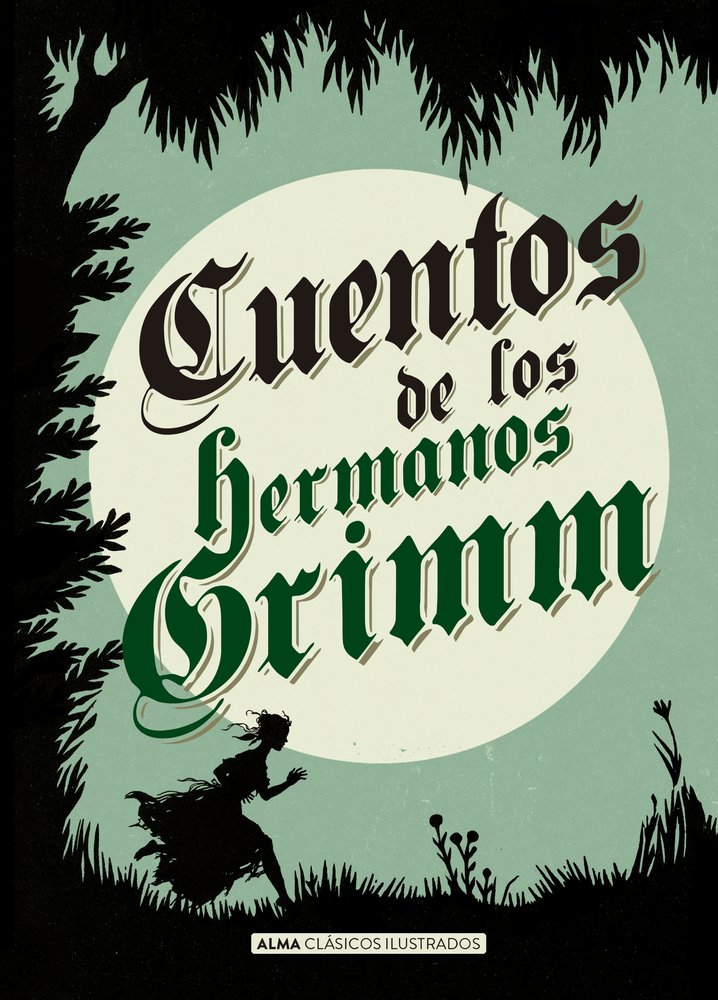
- Hansel and Gretel by the Brothers Grimm: Although the witch in this tale is antagonistic, the wise figure who guides the children through the dark forest represents the archetype of the mentor who imparts knowledge and protection.
2. The Dark Witch
The dark witch is the embodiment of evil and manipulation. These characters use their magic for selfish purposes, often causing chaos and destruction. Their power is feared and respected, and their presence in literature often serves as a warning about the dangers of ambition and corruption.
Example:
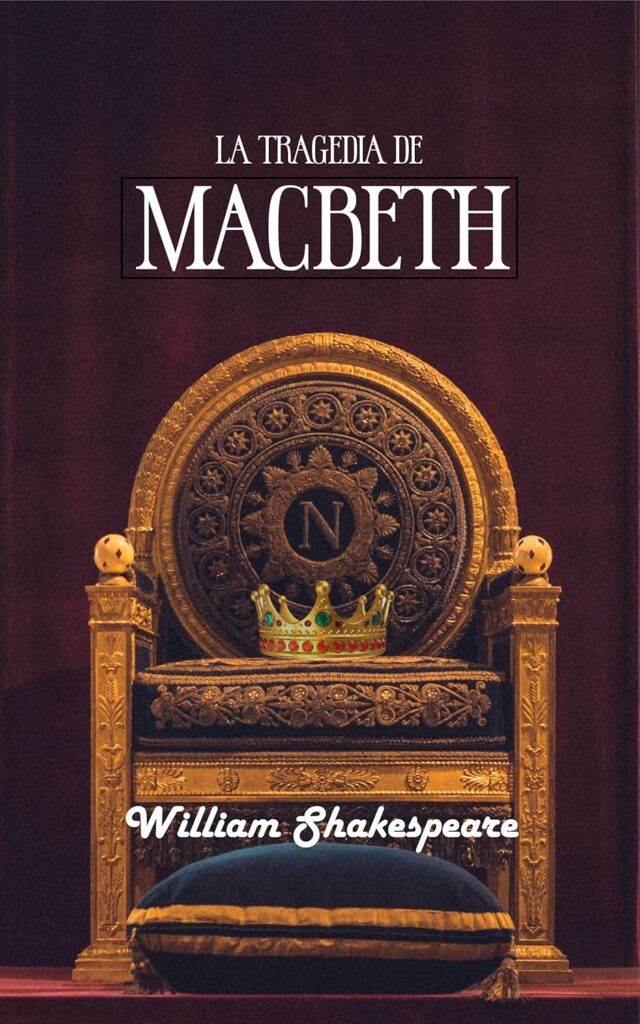
- Macbeth by William Shakespeare: The three witches in this play are iconic figures of dark magic. Their prophecies drive Macbeth to commit atrocities, showing how magic can corrupt the human soul.
3. The Elemental Witch
Elemental witches are connected to the forces of nature. They can control elements such as fire, water, earth and air, and their magic is often tied to the balance of the natural world. These witches are often portrayed as guardians of nature, using their powers to protect the environment.
Example:
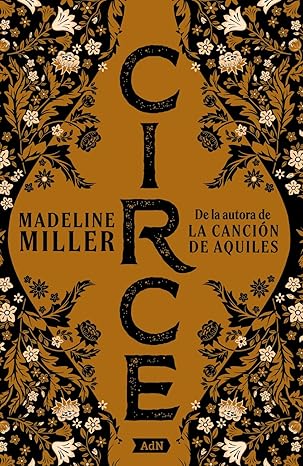
- Circe by Madeline Miller: Circe is a witch who lives on a remote island, where she masters the magic of nature and transformation. Her story explores themes of isolation, power and redemption.
4. The Clan Witch
Clan witches belong to a community of witches who share knowledge, traditions and powers. These witches often have a strong sense of identity and belonging, and their magic is passed down from generation to generation.
Example:
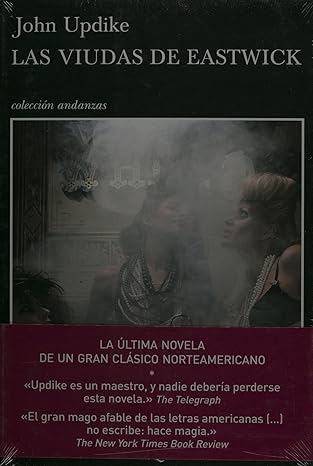
- The Witches of Eastwick by John Updike: Three women discover their hidden powers and attract the attention of a mysterious stranger (Daryl Van Horne) who awakens their darkest desires.
5. The White Witch
White witches use their magic for good, helping others and healing the sick. These characters are often portrayed as kind and compassionate, using their powers to make the world a better place.
Example:
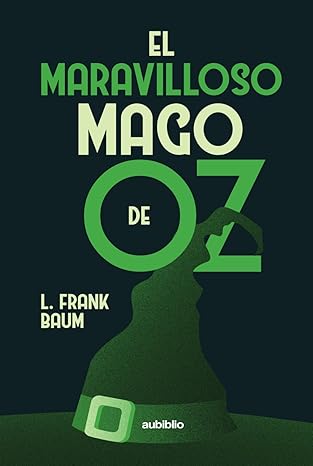
- Glinda the Good Witch in The Wizard of Oz by L. Frank Baum: Glinda is the benevolent witch who helps Dorothy return home, representing goodness and wisdom.
6. The Dark Warlock
The Dark Warlock archetype is not exactly an antihero, but a character who practices forbidden magic, making dark pacts to obtain power. Their story often involves a moral dilemma: how far are they willing to go to achieve their goals?
Example:
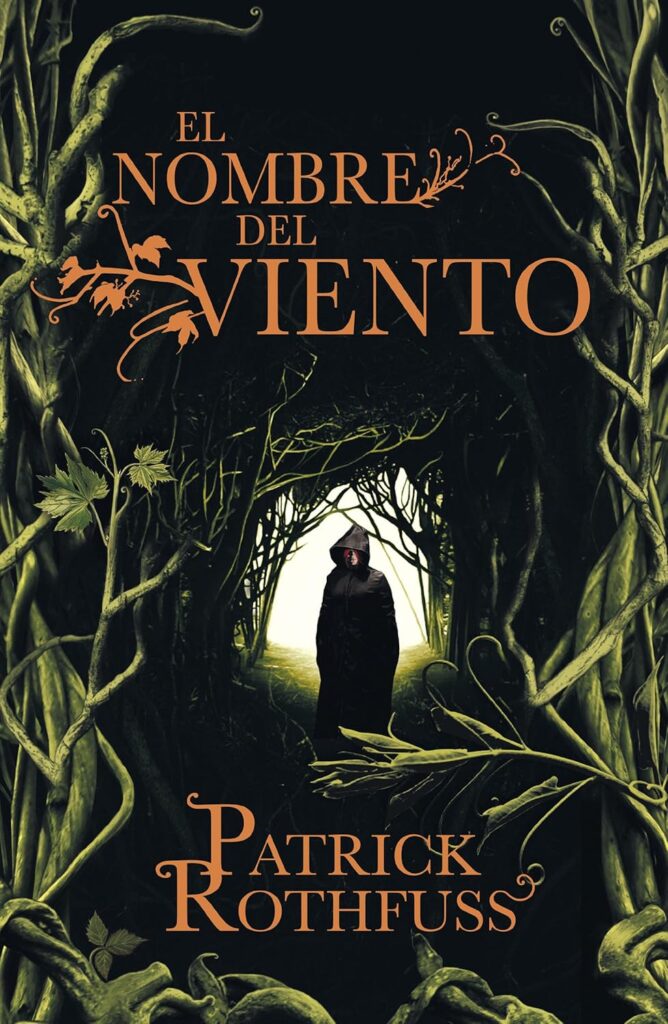
- The Name of the Wind by Patrick Rothfuss: Kvothe, the protagonist, is a young man with exceptional magical talent who faces dark forces and makes difficult decisions in his quest for knowledge and power.
7. The Modern Witch
Modern witches are characters who practice magic in the contemporary world, often balancing their magical life with their everyday life. These witches face modern challenges, such as social acceptance and the integration of magic into daily life.
Example:
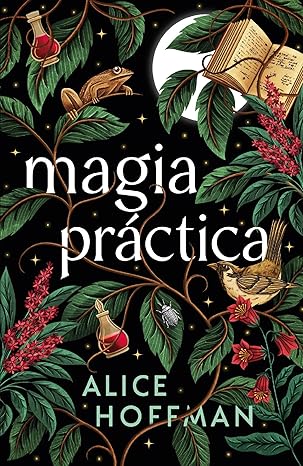
- Practical Magic by Alice Hoffman: The Owens sisters are modern witches who struggle with a family curse while trying to live normal lives in a small town.
8. The Hereditary Witch
Hereditary witches inherit their powers from their ancestors. Their magic is part of their bloodline, and they often feel a strong connection to their family history and traditions.
Example:
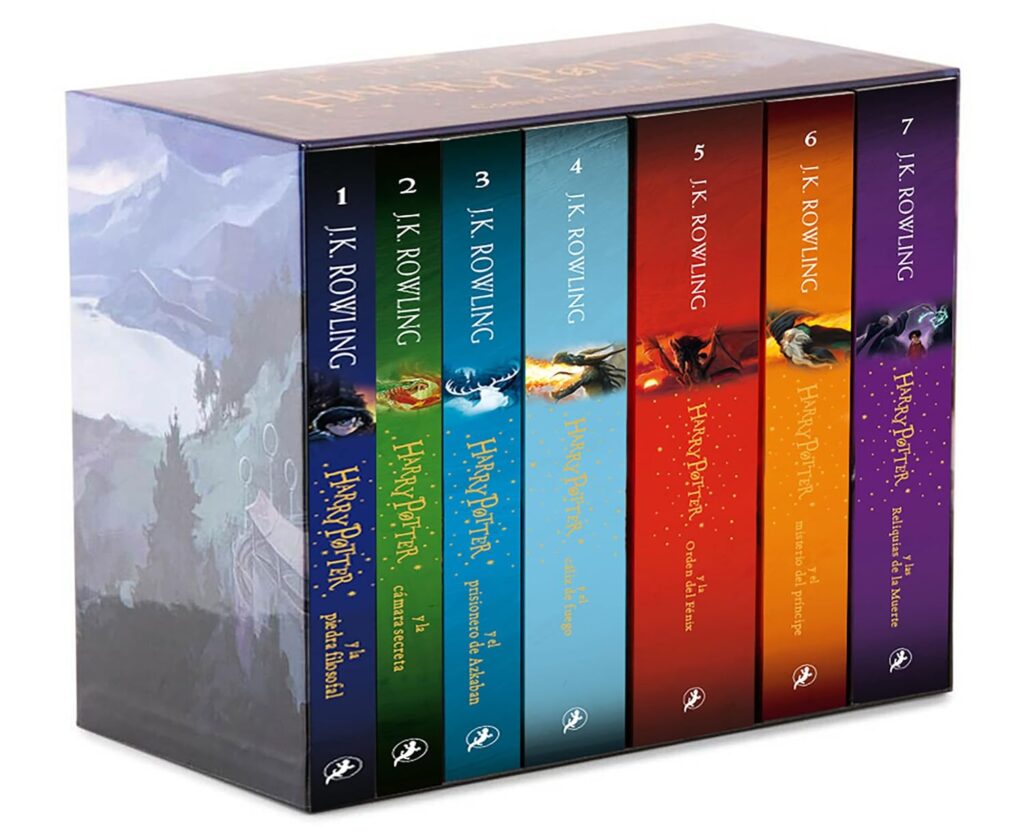
- Harry Potter by J.K. Rowling: Harry is a hereditary wizard, with magical powers inherited from his parents. His story explores themes of family, legacy and the fight against evil.
9. The Academic Warlock
Academic warlocks are scholars of magic, studying its theories and practices in institutions dedicated to the arcane arts. These characters are often portrayed as intellectuals, with a deep understanding of magical lore.
Example:
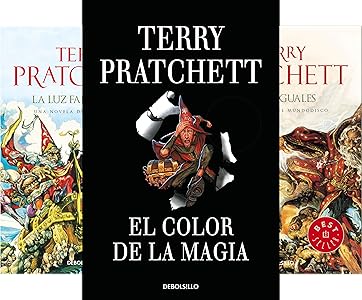
- Discworld Witches by Terry Pratchett: The witches in the Discworld series, such as Granny Weatherwax, are often portrayed as practical scholars of magic, with a deep understanding of its rules and limitations.
10. The Tragic Witch
Tragic witches are characters whose lives are marked by suffering and loss. Their magic is often a curse, and their stories explore themes of redemption, sacrifice and the human condition.
Example:
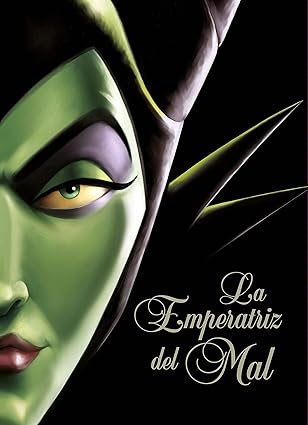
- Maleficent – Based on Sleeping Beauty: Maleficent is a tragic figure, a fairy who was wronged and seeks revenge, only to find redemption through love.
11. The Cultural Witch
Cultural witches are rooted in specific traditions and folklore. Their magic is tied to their cultural heritage, and their stories often explore themes of identity, belonging and the preservation of tradition.
Example:
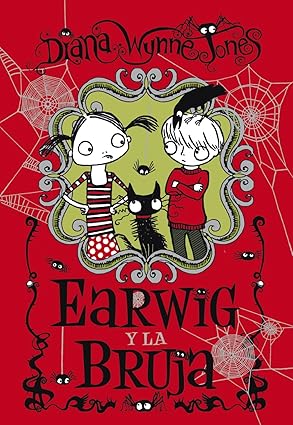
- Earwig and the Witch by Diana Wynne Jones: Although it is primarily about a young girl, the witch in this story represents a cultural figure, rooted in Japanese folklore and tradition. Another example is Akata Witch by Nnedi Okorafor, which explores African magical traditions through the story of a young girl discovering her powers.
12. The Renegade Witch
Renegade witches are those who defy the norms and rules of the magical world. They are rebels, often fighting against oppressive systems and challenging the status quo. Their stories are about freedom, independence and the courage to be different.
Example:
- Circe by Madeline Miller: Circe is a renegade witch who defies the gods and the norms of her world, choosing her own path and forging her own destiny.
Conclusion
Warlocks and witches in literature are more than just characters with magical powers; they are reflections of our society, our fears and our aspirations. From wise mentors to dark antiheroes, these figures have captivated readers for generations, and their stories continue to inspire new generations of writers and readers alike.
Which type of warlock or witch is your favorite? Share your thoughts in the comments below and let us know which books have inspired you the most.