
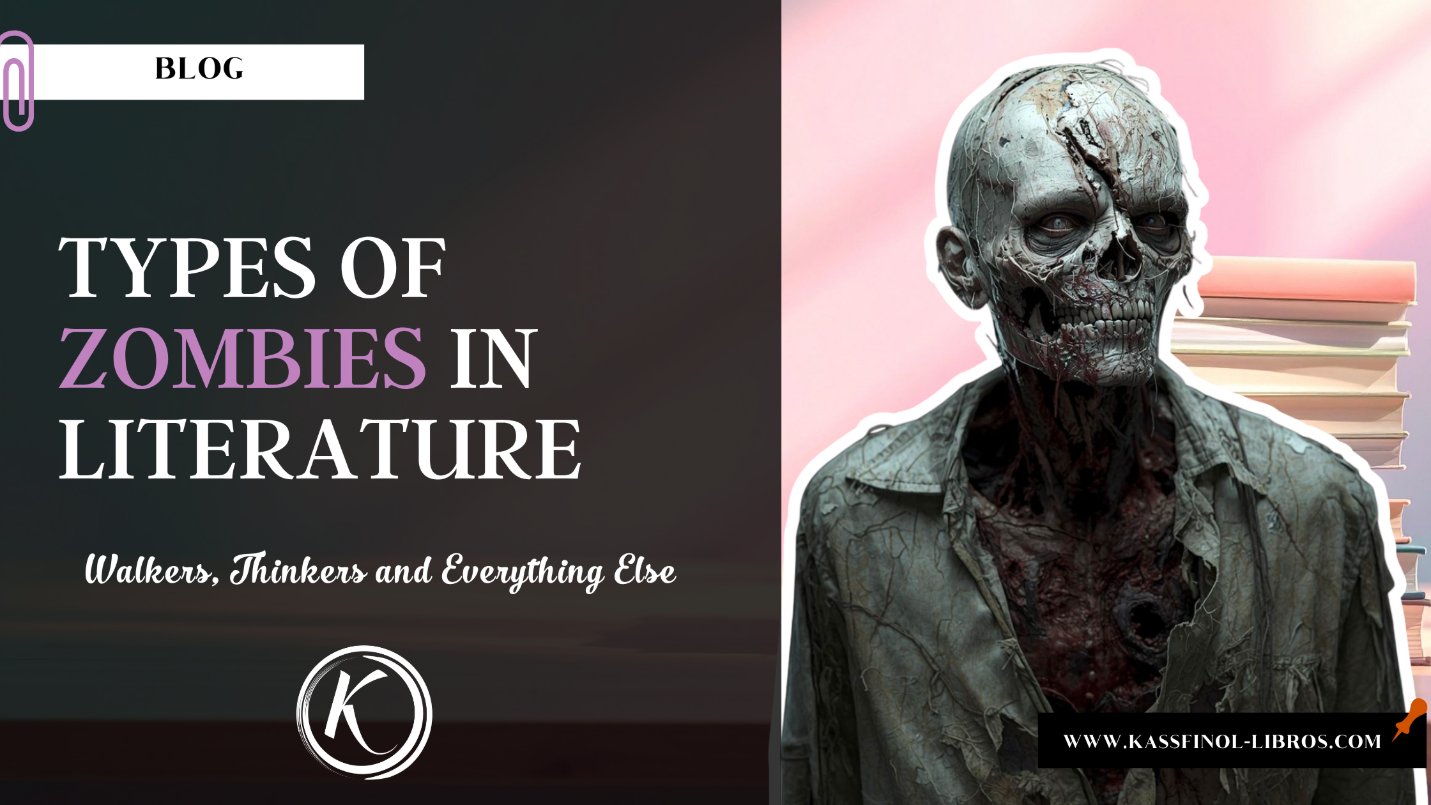
Zombies have been a pillar of horror and science fiction literature, evolving from simple animated corpses to complex representations of humanity in decay.
These beings are not only the relentless enemies of many stories, but also symbols of human fragility, pandemics, and social collapse. Here is a breakdown of the main types of zombies in literature, with verified literary examples.
1. Classic Zombies: The Dead Who Walk
These zombies are the best known: reanimated bodies with no will of their own. They are slow, clumsy, and usually the product of black magic or curses, following the traditions of Haitian folklore.
Example:
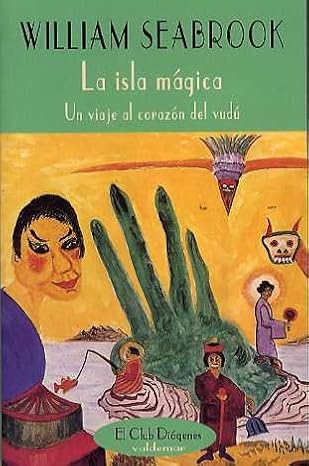
- The Magic Island by William Seabrook (1929): The first book in English to popularize the concept of the Haitian zombie. Seabrook documented his experiences with voodoo in Haiti and described zombies as corpses reanimated through sorcery to serve as slaves. This book inspired the film «White Zombie» (1932).
2. Virus Zombies: Scientific Creations
These zombies have no supernatural origin; they are the result of a virus, a genetic mutation, or an experiment gone wrong. They are usually the central axis of zombie apocalypse stories.
Example:
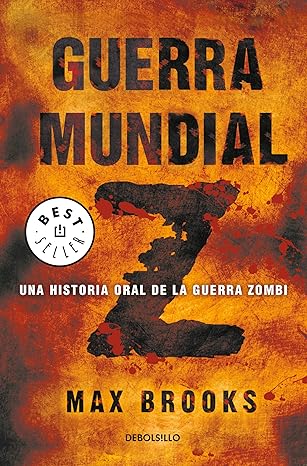
- World War Z: An Oral History of the Zombie War by Max Brooks (2006): A masterpiece of the genre where the viral zombie is the global enemy, explored from multiple perspectives through interviews with survivors. The «Solanum» virus transforms humans into undead with no capacity for reasoning.
3. Fast Zombies: Relentless Hunters
Unlike classic zombies, these can run, jump, and move with terrifying speed. They usually appear in narratives where the terror comes from the frantic pace and the immediacy of the danger.
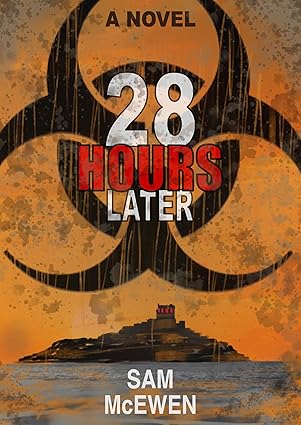
Note: This type of zombie is more common in film (28 Days Later, Dawn of the Dead 2004) than in classic literature. The literary adaptations of these films keep these characteristics.
4. Thinking Zombies: The Conscious Undead
In this type, zombies retain some capacity for reasoning or memory. They often fight against their predatory instincts, creating an interesting internal dilemma.
Example:
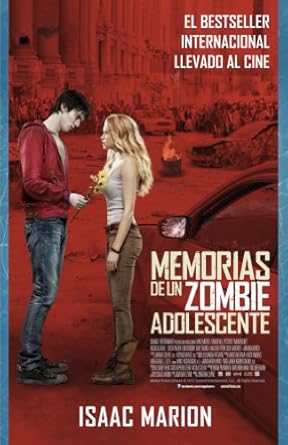
- Warm Bodies by Isaac Marion (2010): A zombie named R begins to recover his humanity after falling in love with Julie, a human survivor. The novel is a reinterpretation of Romeo and Juliet in the context of the zombie apocalypse, exploring themes of redemption and love.

- Becoming a Zombie series: As the months pass, there are humans who get infected without knowing it. Their bodies begin to experience changes, though without losing their consciousness or their humanity.
5. Biological Zombies: Hybrid Creatures
They are not strictly zombies, but they share characteristics such as decomposition or aggressiveness. They are often the result of experiments that combine humans with other creatures or that radically alter their biology.
Example:
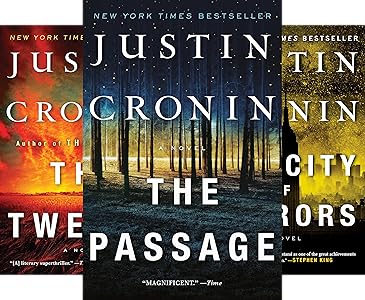
- The Passage (2010) by Justin Cronin: The United States government experiments with a virus extracted from South American bats to create immortal supersoldiers. The result is the «virals»: creatures that combine human characteristics with vampiric and predator traits. They have superhuman strength, bloodlust, telepathic communication among themselves, and a predatory hierarchy. They are hybrids deliberately created in a laboratory that escape military control, fusing the worst of several species into a single threat.
6. Voodoo Zombies: The Enchanted Servants
Inspired by Haitian traditions, these zombies are not ravenous creatures, but bodies reanimated through magic to serve a master. They are usually more tools than main characters.
Example:
- The Magic Island by William Seabrook (1929): Besides being the classic example, this book documents the traditional concept of the Haitian voodoo zombie before its evolution into the modern horror zombie. Seabrook describes zombies as enslaved workers with no will of their own, controlled by voodoo sorcerers.
7. Intelligent Zombies: The Strategic Enemy
Unlike thinking zombies, these are leaders or strategists. They usually lead hordes of undead and have more advanced abilities than their brainless companions.
Example:

- Becoming a Zombie series by Kassfinol: Although zombies in general are not very intelligent, I hint at a certain emerging organization in some groups of infected as the weeks go by; besides, there are humans who mutate and are zombies and humans at the same time.
8. Evolutionary Zombies: Beyond Death
These zombies don’t just wander around. They are mutations that have developed new abilities: night vision, extreme strength, or even physical adaptations to survive in different environments.
Example:
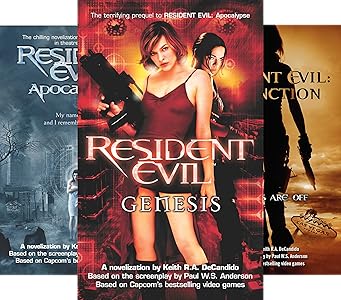
- Resident Evil: Genesis by Keith R.A. DeCandido (2004): Novelization of the first film, exploring the origin of the T-virus in the underground facilities of the Umbrella Corporation known as «The Hive». Zombies evolve into increasingly dangerous creatures, from basic infected to advanced mutations like the Lickers and other bio-weapons.
9. Philosophical Zombies: Human Allegories
In these stories, zombies are a symbol of something more: the loss of humanity, consumerism, pandemics, or collective fear. They are less creatures of terror and more narrative tools for reflecting on the human condition. In this case I’ll show you the films, but it’s valid to put it as “literature” because to make the film they had to write a script :V Naaa, I just wanted to include good examples.
Example:
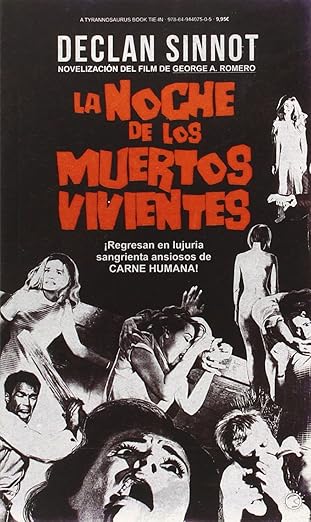
- Night of the Living Dead (1968) by George A. Romero: The foundational film of the genre uses zombies as a metaphor for racism, social violence, and the collapse of the established order. The real horror isn’t the dead, but how the living destroy each other.
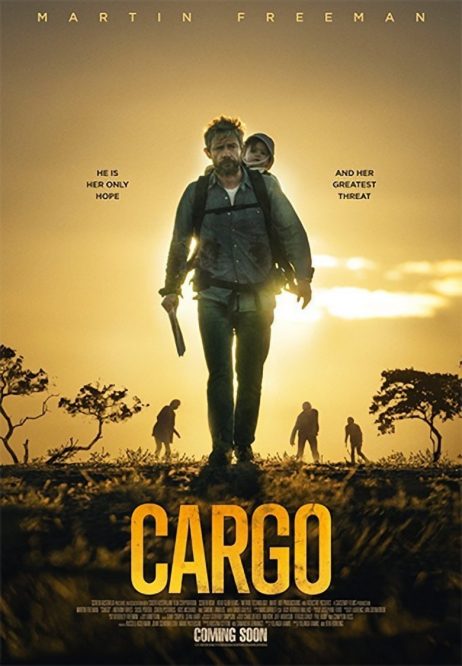
- Cargo (2017): An infected father has 48 hours before turning into a zombie to find a safe place for his baby. The zombies here symbolize fatherhood, sacrifice, and the inevitability of death, turning the genre into a meditation on paternal love.
10. Supernatural Zombies: Creatures of Darkness
These zombies have no scientific or rational explanations. They are corpses reanimated by magic, curses, or dark forces, and their existence defies any logic. In these narratives, the dead walk because something unnatural and primordial has broken the laws of death. No virus, no parasites: just the pure terror of the inexplicable. Science can’t save them because the problem isn’t biological, it’s metaphysical. Here, the protagonists must face sorcerers, demons, or ancient pacts to stop the plague of undead.
Example:
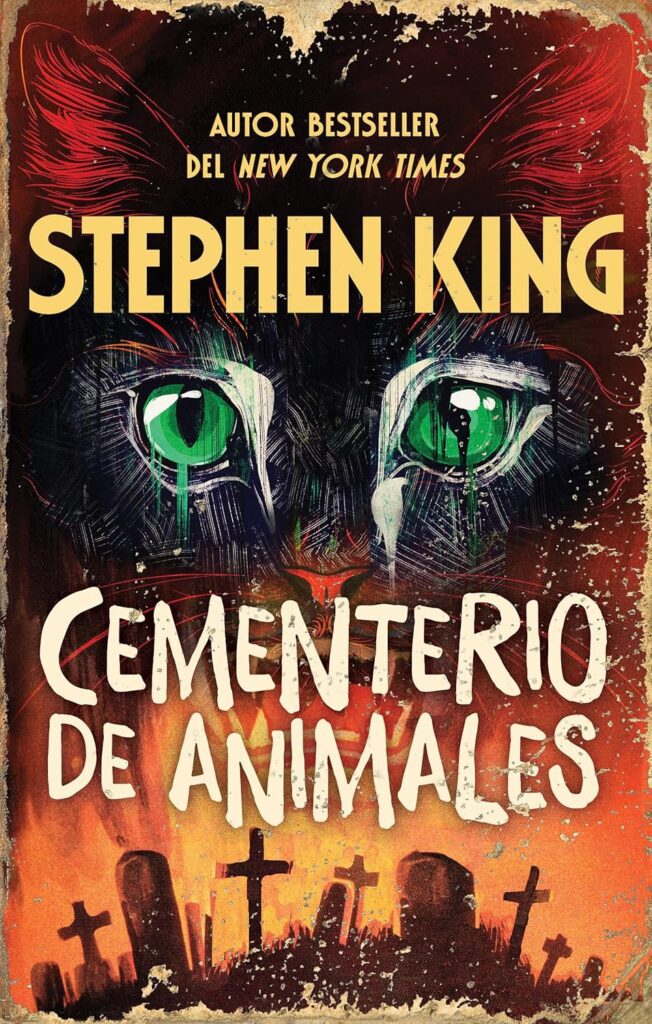
- Pet Sematary (1983) by Stephen King: When Louis Creed buries his cat in an ancient Native American burial ground, the animal returns… but changed, malevolent. The land has a dark, ancestral power that perverts resurrection. King explores the horror of bringing back the dead with no scientific control, only through supernatural forces that cannot be understood or stopped. What comes back isn’t what we lost, but something deeply wrong.
11. Technological Zombies: Digital Infected
A modern twist where technology causes the zombie transformation, often through digital signals or neurological programming.
Example:
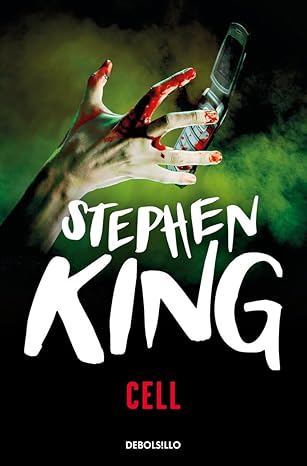
- Cell by Stephen King (2006): A mysterious signal transmitted through cell phones (called «The Pulse») instantly transforms anyone who receives it into a violent zombie-like creature. The infected, called «phoners», lose their reasoning and attack other humans, although over time they develop telepathic abilities and organized behaviors. The protagonist, Clay Riddell, must travel through the chaos to find his family while avoiding both the infected and any mobile phone.
12. Child Zombies: Innocent Horror
Child zombies are a disturbing subgenre. They represent the loss of innocence and are often used to intensify the emotional impact of a story.
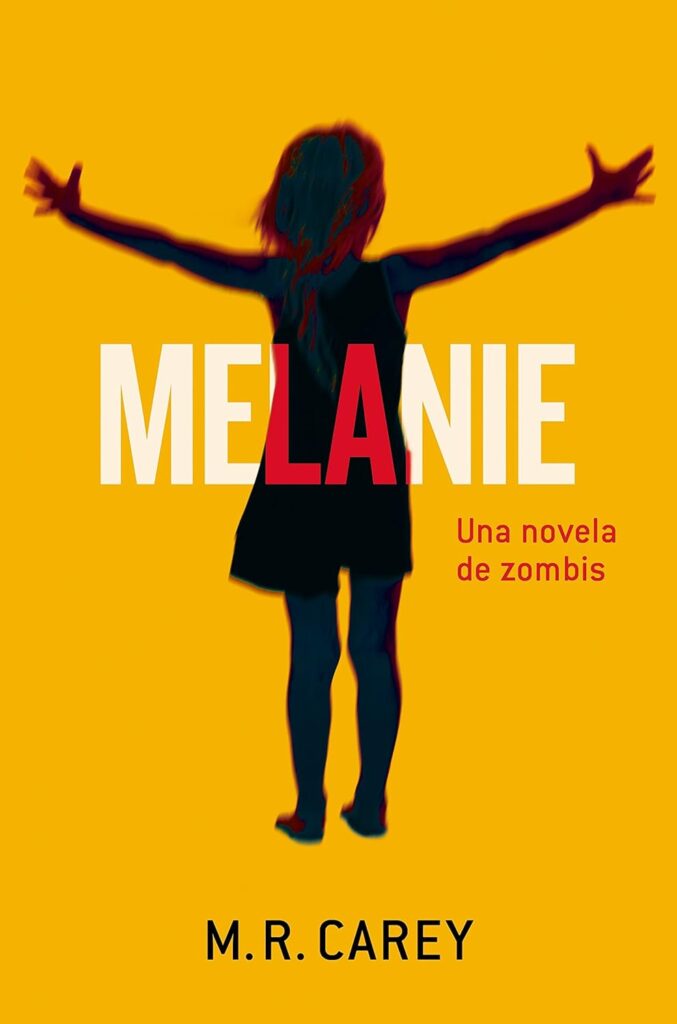
Example:
- The Girl with All the Gifts by M.R. Carey (2014): The protagonist, Melanie, is a girl infected by the zombie fungus who retains her intelligence and emotions, creating a complex character that challenges our notions of humanity and monstrosity. These zombies are humans infected by a mutation of the fungus Ophiocordyceps unilateralis (the real fungus that controls ants) that controls their bodies. The novel explores a new generation of infected children who retain their human intelligence, raising ethical dilemmas about what it means to be human.
13. Romantic Zombies: Love Beyond Death
Romantic zombies break with the traditional idea of the undead as mere brain-eaters. In these stories, zombies are capable of developing feelings, creating emotional bonds, and even transforming thanks to the power of love.
Example:

- Generation Dead (2008) by Daniel Waters: In a world where dead teenagers begin to come back to life (but are still technically zombies), the novel follows Phoebe, a living girl who falls in love with Tommy Williams, a charismatic, conscious zombie student. The story explores the romance between the living and the dead in a context of social prejudice, where the «differently biotic» fight for their civil rights while some can genuinely feel and love. It’s a metaphor about acceptance, discrimination, and how love transcends the boundaries of life and death.
Conclusion
From visceral terror to transformative romance, zombies in literature keep surprising us with new ways to explore the apocalypse and the human condition. Each type of zombie offers a unique lens to examine our fears, hopes, and the fundamental question: what does it mean to be human?
Now tell me, which type of zombie do you find most fascinating? 🧟♀️📚